
Justice kept stretching civil-rights law into new front lines, and the backlash is baked in
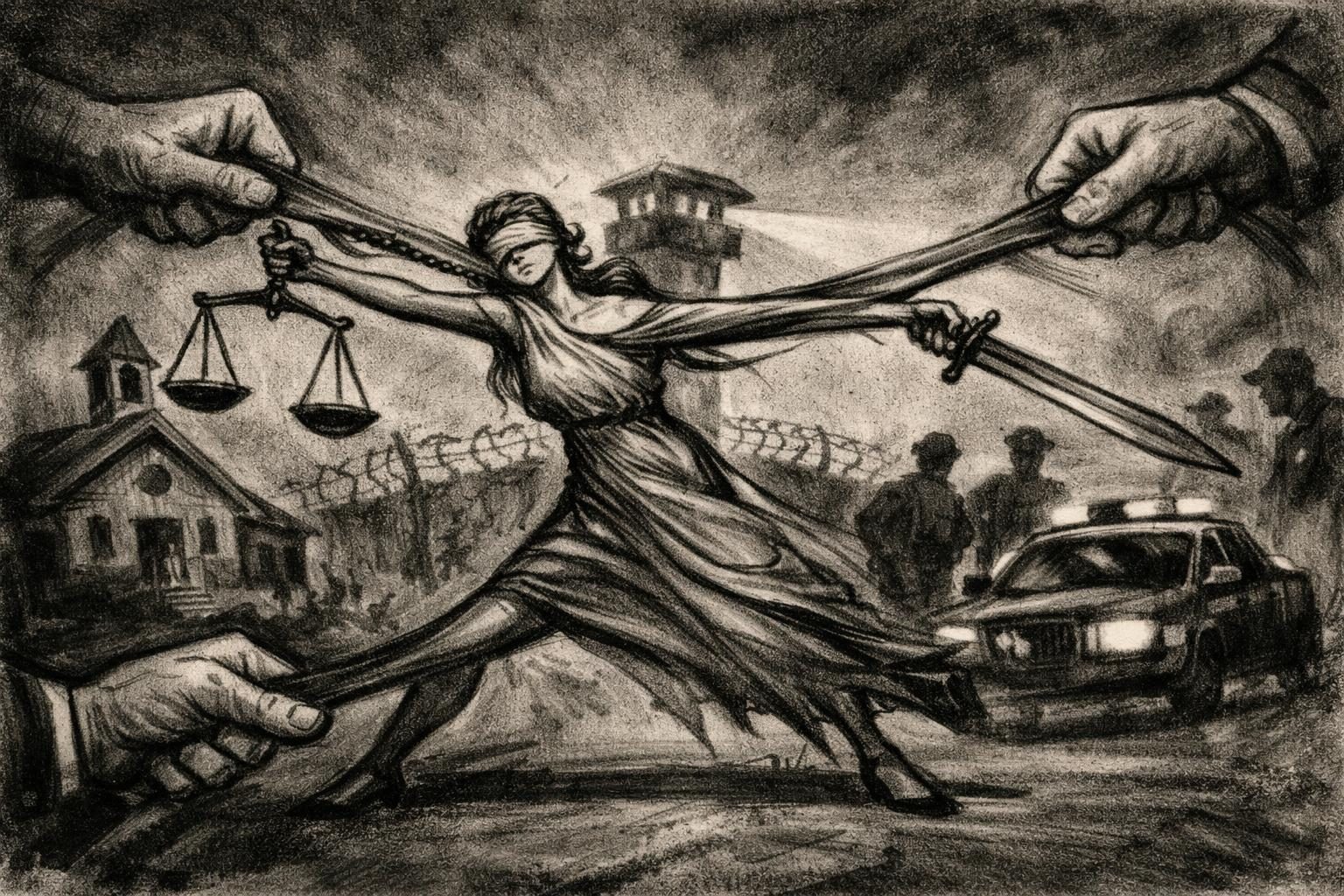
The Justice Department’s civil-rights enforcement strategy has been moving outward, and the latest actions show just how far that expansion now reaches. On Aug. 12, the department’s posture remained pointedly aggressive, with recent enforcement activity continuing to ripple through schools, prisons, and local policing disputes. Rather than limiting itself to the narrowest kind of complaint-driven intervention, the department has been using civil-rights law to press into high-stakes policy fights that were once thought to belong mostly to states, cities, universities, and corrections systems. The result is not a single dramatic showdown, but a steady institutional push into terrain that is both legally complicated and politically combustible. That is why every new finding, investigation, or lawsuit seems to land not just as an enforcement action, but as a statement about the federal government’s role in defining what equal protection and nondiscrimination should mean in practice.
The clearest sign of that approach is how the department has taken on disputes that go well beyond classic civil-rights cases. One recent finding concluded that George Washington University was deliberately indifferent to antisemitic harassment, placing a major private university squarely in the department’s crosshairs and underscoring how campus discrimination cases are being treated as matters of national concern. In a separate move, the department notified Washington state that it had opened an investigation into whether housing biological men in women’s facilities violates civil-rights protections, a step that immediately places prison policy, sex-segregated spaces, and constitutional arguments in the same arena. The department also opened an investigation into the Philadelphia Police Department over alleged conduct that, while not fully spelled out in the available materials, is part of a broader pattern of scrutiny toward local law enforcement. Taken together, these developments suggest a department willing to test civil-rights authorities in settings where the underlying law is unsettled and the political stakes are already enormous.
That posture helps explain why the backlash is so predictable. Supporters argue that the federal government is doing exactly what it is supposed to do: stepping in when local institutions fail to protect vulnerable people, tolerate abuse, or ignore discriminatory conduct until it becomes impossible to deny. From that perspective, civil-rights enforcement is not a partisan weapon but a necessary check on institutions that may be insulated from accountability or too captured by local politics to act. Critics, however, see something very different. They view the department’s new front lines as evidence of ideological overreach, with Washington extending its reach into university discipline, prison administration, and police oversight in ways that can look less like neutral law enforcement and more like policy-making through litigation and threat letters. In that reading, the department is not just applying the law; it is choosing cases that move the country toward a preferred political outcome, all while insisting that it is simply enforcing rights that already exist.
The deeper tension is that both sides can claim to be defending civil rights, even while they disagree sharply about what those rights require. In school settings, the department’s actions invite debate over how institutions should respond to antisemitism, discrimination, and harassment without turning every conflict into a federal case. In prison settings, the fight is over how to balance civil-rights protections, safety, privacy, and the legal definitions that govern housing and identity-based policies. In policing, the questions are about whether local departments are respecting constitutional limits or whether federal investigators are overreading isolated problems as evidence of systemic abuse. Because these disputes sit at the intersection of law, culture, and identity, the department’s moves are likely to generate more than just legal briefs. They will produce hearings, public campaigns, university policy changes, administrative reviews, and probably more court fights as institutions try to figure out how far federal pressure will go and how much room they have left to push back.
What makes this moment politically significant is not that the department has chosen one controversial case or another. It is that the pattern itself signals an expanded view of civil-rights enforcement, one that treats national intervention as appropriate in a widening range of disputes. That direction may satisfy those who believe local systems have been too slow or too timid to confront discrimination. It may also alarm those who think federal agencies are increasingly substituting their own judgment for that of democratically accountable state and local authorities. Either way, the pressure is real, and it is not going away just because the department can frame its actions as technical legal decisions. Agencies, school systems, prison officials, and police departments now have to operate under a sharper federal glare, knowing that their policies may be reviewed not only for legality but for whether they align with the department’s evolving conception of civil rights. In that sense, the backlash is already baked in. The department keeps stretching the law into new front lines, and each new move sharpens the same larger fight over what federal power is for, who gets to define equality, and how much room remains between enforcement and governance.
Comments
Threaded replies, voting, and reports are live. New users still go through screening on their first approved comments.
Log in to comment
No comments yet. Be the first reasonably on-topic person here.