
Labor Department keeps hauling employers into the penalty box
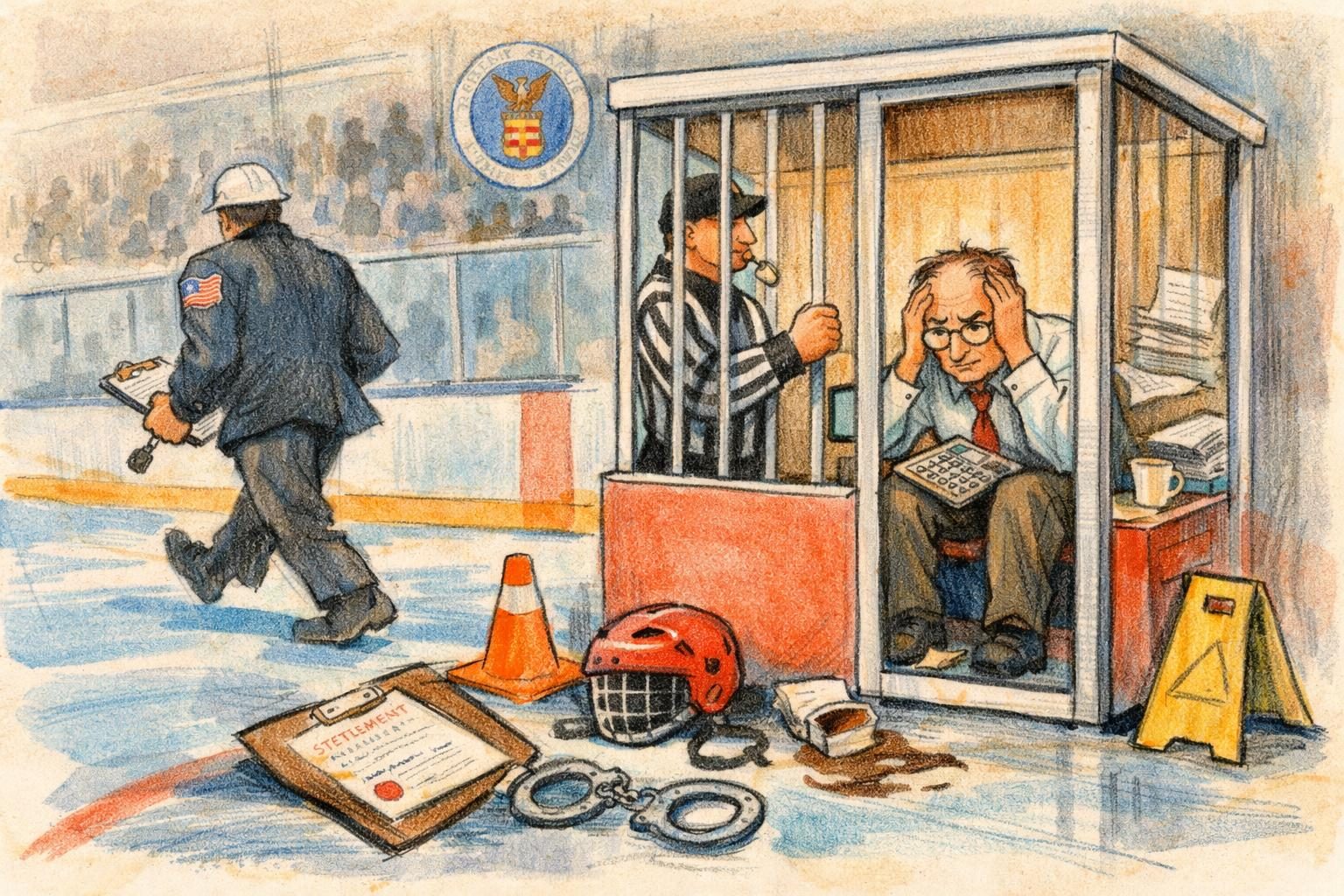
The Labor Department’s enforcement pages kept filling up around August 12, and the pattern was hard to miss: wage-and-hour cases, safety matters, and related penalties were still moving through the system with enough force to cost employers real money. The details on the department’s releases pages point to the familiar machinery of federal labor enforcement doing what it is supposed to do, even if slowly and without much ceremony. For workers, that can mean back wages recovered, citations issued, settlements reached, or some combination of all three. For employers, it means the unpleasant discovery that old violations do not vanish just because management would rather move on. And for anyone who assumed labor law enforcement had gone into hibernation, the latest docket updates suggest otherwise. The government may not be staging a spectacle, but the paperwork says the cases are still alive.
That matters because labor enforcement is one of the clearest ways federal power touches ordinary working life without needing a grand speech or a ribbon-cutting photo op. When the department pursues wage theft claims, safety violations, or compliance failures tied to federal employment rules, it is doing more than collecting fines for the sake of it. It is setting the price of noncompliance, and in many cases that price lands where it should: on the people and companies that ignored the law in the first place. In practical terms, these actions can force employers to pay back wages, correct records, change policies, or face civil penalties that are not easy to dismiss as a nuisance. That is especially important in a political climate where business interests often treat oversight as an annoyance and worker protections as a suggestion. The point of enforcement is not rhetoric; it is leverage. And leverage is exactly what workers lose when the government stops using the tools it already has.
The August 12 updates also underline a larger political reality: labor enforcement tends to expose the gap between what elected officials say about protecting workers and what actually happens when complaints land on a desk. If the administration wants to claim it stands for law and order, then labor law has to apply to employers with the same seriousness it applies anywhere else. That includes companies that underpay workers, cut corners on safety, misclassify employees, or otherwise treat compliance as a budgeting issue instead of a legal obligation. The department’s public releases may read like routine administrative housekeeping, but the underlying effect is anything but routine. Each resolved case adds to a visible record of where the system has failed workers and where federal intervention is still being used to correct the damage. It is a modest form of accountability, but in a lot of workplaces, modest accountability is the difference between a stolen paycheck and a recovered one.
The fallout from these actions is usually financial first, though the reputational consequences can follow quickly once a company keeps showing up on enforcement lists. Employers caught in the department’s net often have to spend money they would rather not spend, whether that means back pay, settlements, penalty checks, legal fees, or internal compliance overhauls. In some cases they also have to rework day-to-day practices so the same violations do not return under a new label. That kind of cleanup is not glamorous, but it is the point, and it is why enforcement pages matter even when no one is holding a microphone in front of them. They are a running ledger of who got caught shorting workers, who had to make it right, and how federal power is still being used to force some measure of correction. The story may not come with drama, but it comes with a paper trail, and in labor politics that paper trail is often the only thing that counts.
Comments
Threaded replies, voting, and reports are live. New users still go through screening on their first approved comments.
Log in to comment
No comments yet. Be the first reasonably on-topic person here.