
EEOC backs off its subpoena fight with Nike
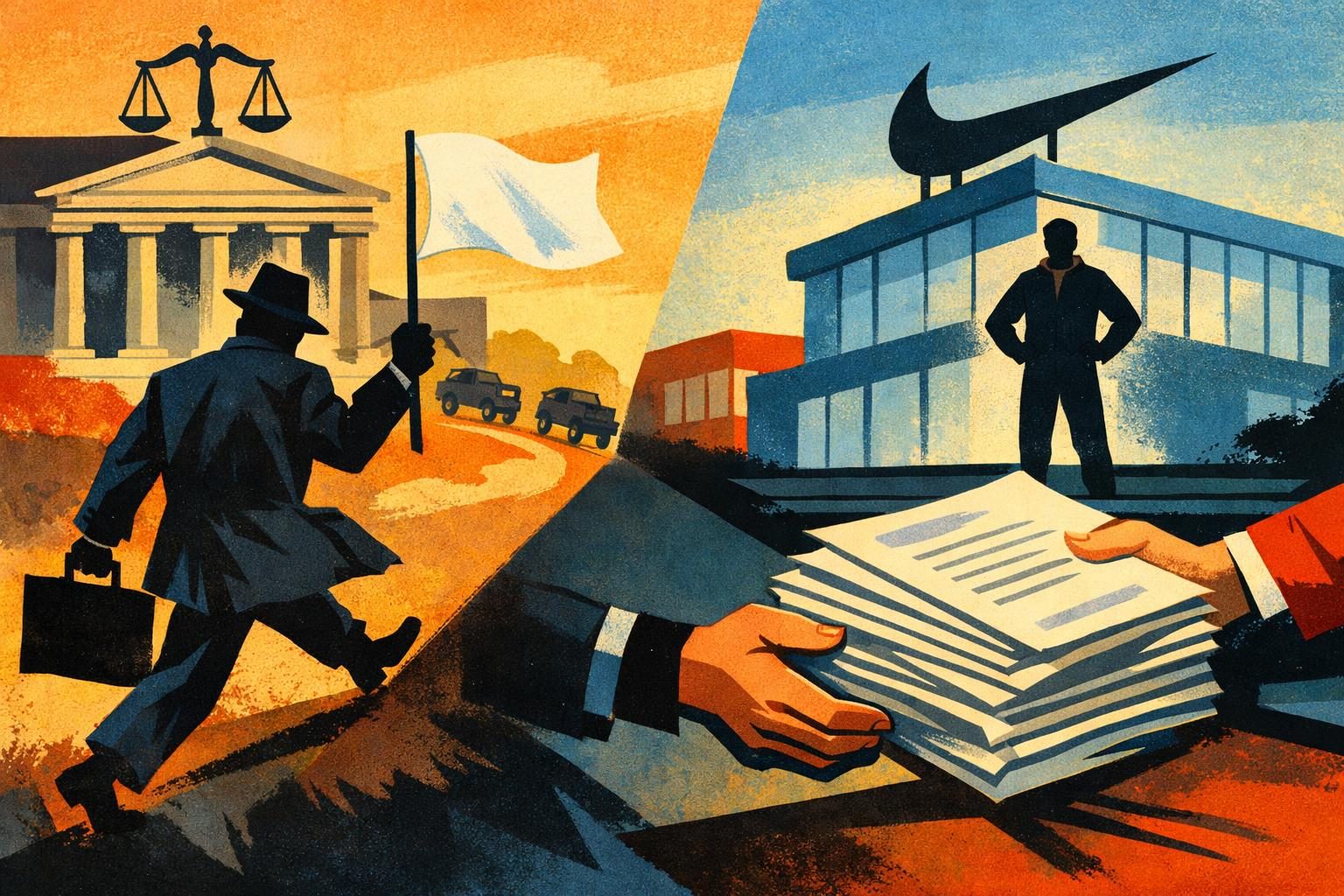
The Equal Employment Opportunity Commission has backed away from a court fight with Nike after the company turned over documents sought in an investigation tied to its diversity, equity and inclusion practices. On August 12, the agency asked a federal judge to dismiss its subpoena enforcement action, telling the court that Nike had provided the materials the commission was seeking over the course of several months. That leaves the agency with no active need to force compliance through the courts, at least for now, and turns what had been a legal standoff into a procedural footnote. Still, the retreat is revealing. It shows how aggressively the commission has been using its civil-rights powers in a politically charged push against corporate DEI programs, and how quickly it can step aside once a target produces the paperwork.
The underlying dispute did not arise from a conventional workplace discrimination claim that had already been tested in litigation. Instead, it emerged from a broader effort to scrutinize company policies that the Trump-era political apparatus has treated as suspect, especially if they are framed around inclusion, representation, or equitable opportunity. In that sense, the Nike matter fits a larger pattern: federal enforcement tools being aimed at companies not necessarily because of a completed finding of discrimination, but because their internal policies have become part of a national culture war. The commission said Nike supplied responsive documents between March and August, and that those submissions eliminated any remaining controversy over the subpoena. That is the legally relevant point, but it is also the politically telling one. The fight appears to have been about leverage as much as information, with the threat of court enforcement hanging over the company until the agency decided it had what it wanted.
The dismissal request is not the same thing as a defeat, and it should not be overstated as one. The EEOC did not lose on the merits, and there is no indication from the available record that the commission has abandoned its interest in the underlying DEI inquiry. But the episode still matters because it offers a glimpse of how the administration’s civil-rights machinery is being deployed. The process itself becomes the pressure point. A subpoena can force a company to divert time, money, and legal attention into compliance whether or not the agency ever intends to carry the matter to a final courtroom showdown. That is especially true in politically sensitive investigations, where the act of inquiry can have as much effect as a formal ruling. In this case, the mere fact of federal scrutiny was part of the message, and the agency’s later decision to stand down once the documents arrived does not erase the chilling effect that preceded it.
Nike has not commented publicly on the move, and that silence is unsurprising. Corporations generally have little incentive to turn a procedural resolution into a public fight once they have delivered the requested materials and the immediate litigation risk has faded. The EEOC, for its part, said it was pleased that Nike complied without requiring a court order, which is the kind of bureaucratic phrasing that signals victory without saying very much. But the larger significance lies in the way the case illustrates the administration’s approach to DEI. Rather than simply criticizing such programs in speeches or guidance, the government has been willing to use investigative tools to pressure companies into disclosure and, by extension, into defensive posture. That is a more forceful tactic than rhetoric alone, and it turns ordinary document demands into part of a broader ideological campaign. The result here is modest in legal terms, but it still adds to the public record of a federal agency being used to police corporate workplace philosophy one subpoena at a time.
Comments
Threaded replies, voting, and reports are live. New users still go through screening on their first approved comments.
Log in to comment
No comments yet. Be the first reasonably on-topic person here.