
Court keeps the union fight alive, and the administration keeps taking the hit
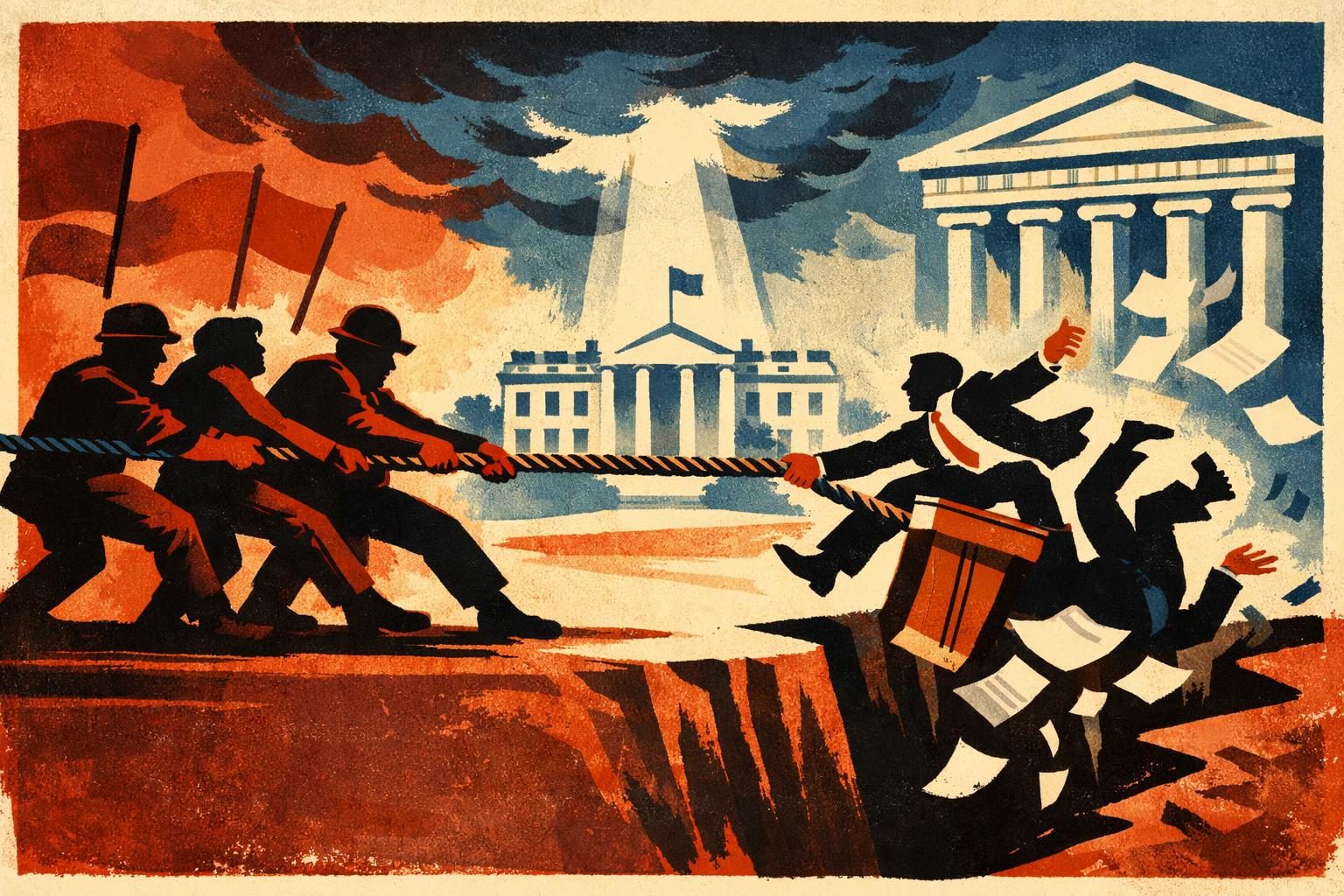
A federal appeals court on August 12 left the administration’s attempt to narrow collective bargaining rights for portions of the federal workforce mired in litigation, refusing to give the government the quick, clean victory it wanted. The decision did not settle the underlying fight over whether the restrictions can ultimately stand, but it did keep the policy from snapping into place while the case continues to work its way through the courts. That alone is a meaningful setback for an administration that has tried to frame the dispute as a matter of national security rather than a familiar labor-law conflict. The White House has pushed the idea that some federal union protections are too dangerous to preserve in sensitive agencies, and it has leaned on that argument to justify moving quickly. Judges, at least so far, have not been eager to treat that framing as enough to short-circuit ordinary review. The result is not a final defeat on the merits, but it is another reminder that bold claims about security do not automatically produce judicial deference.
The broader significance of the ruling goes beyond the specific procedural posture of this case. The administration’s campaign to strip or narrow bargaining rights is part of a larger effort to recast public-sector labor protections as obstacles to executive control, especially in agencies where management can invoke mission, secrecy, or emergency operations. That approach may play well politically with voters who like the sound of a tough-on-bureaucracy message, but it creates real friction inside the federal government itself. Collective bargaining arrangements affect how employees raise concerns, how disputes are handled, and how much room workers have to challenge decisions that can affect safety, staffing, and workplace discipline. In federal offices and field operations alike, those protections are not abstract perks; they are part of the structure that determines whether employees can flag problems without immediately fearing retaliation. When management can narrow those rights, it often gains speed and flexibility, but it also risks choking off feedback from the people closest to the work. That tension is exactly why the issue has become so contentious, and why the administration’s broad national-security rationale has met resistance.
The court’s refusal to hand the government an immediate win also reflects a deeper skepticism about the strategy being used here. The administration has repeatedly tried to move aggressively, banking on the idea that a forceful executive posture will survive long enough to become the new normal before the legal system fully catches up. In practice, that can mean issuing sweeping directives, then defending them in a maze of injunctions, emergency motions, and appeals that keep everything in limbo for months or longer. This ruling adds to that pattern. Rather than confirming that the government can simply announce a labor-rights rollback and have it take effect right away, the court kept the dispute alive and left the policy stuck in legal purgatory. That may sound like a narrow procedural outcome, but politically it is still costly. Each delay keeps the administration tied to a fight it would rather portray as settled, and each court skirmish offers critics another chance to argue that the policy is overreaching, poorly explained, or both. The White House may still believe it will ultimately prevail, but for now it is paying the price of trying to force the issue before the courts have blessed the move.
For federal workers, the stakes are concrete even if the legal jargon is not. Union rights in government agencies are tied to how employees can speak up about management failures, unsafe conditions, and operational problems without being brushed aside or punished. They also shape recruitment and retention in a workforce that already struggles with morale in many corners of the bureaucracy. When collective bargaining protections are weakened, the government may gain more unilateral control, but it also makes itself a harder place to work and a more brittle place to manage. That can have knock-on effects well beyond a single agency or a single dispute, especially when experienced employees decide the system is no longer worth staying in. The administration’s defenders can argue that national security sometimes demands tighter control over labor arrangements, and that argument is not frivolous on its face. But the court’s latest move suggests that broad appeals to security will not automatically override the normal legal questions about authority, procedure, and employee rights. For now, the administration remains in the uncomfortable position of defending a policy that is neither fully implemented nor cleanly rejected, while workers and unions get to keep pressing their case in a forum that has so far declined to clear the runway for the White House.
Comments
Threaded replies, voting, and reports are live. New users still go through screening on their first approved comments.
Log in to comment
No comments yet. Be the first reasonably on-topic person here.