
FinCEN flags student-aid fraud as a money-laundering target
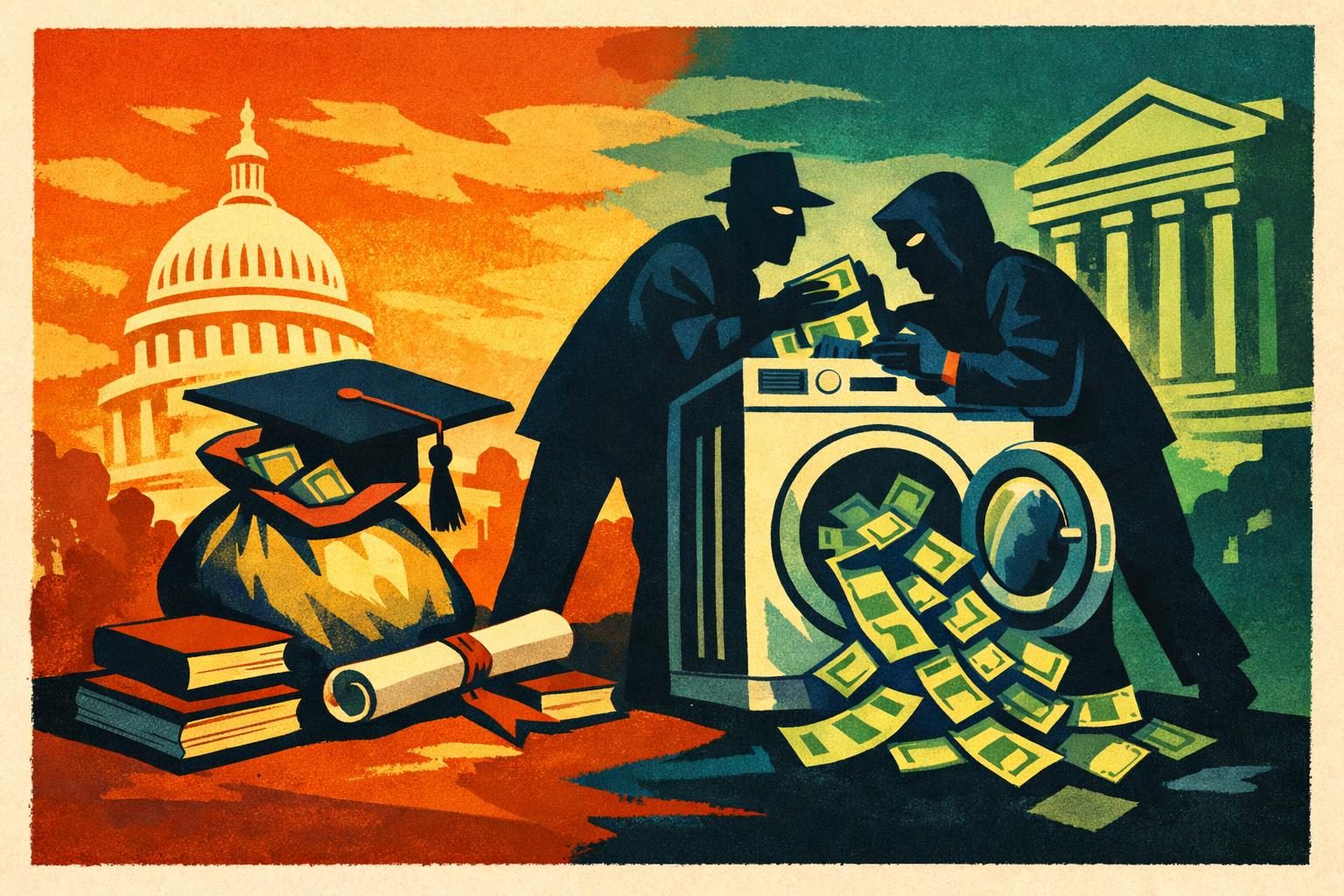
The Treasury Department’s Financial Crimes Enforcement Network issued a fresh warning on August 12 aimed at banks, payment processors, and other financial institutions that move money through the student-aid system. The alert told compliance teams to detect, prevent, and report suspicious activity tied to fraud schemes targeting federal student aid programs. That may sound like the kind of bureaucratic language that vanishes into a compliance inbox, but the substance is more serious than the phrasing suggests. FinCEN does not typically issue targeted alerts for trivial problems, and when it does, it is signaling that it sees a live pattern of abuse with enough momentum to threaten the system around it. In practical terms, the federal government is saying student aid has become a target worth watching as a money-laundering and fraud vector, not just as an education-policy issue. That makes the alert less about abstract risk and more about a current enforcement concern that banks are expected to take seriously.
The most important part of the warning is not simply that fraud exists, because fraud has always shadowed public benefit programs. The significance is that Treasury is framing student-aid abuse as part of the financial-crimes landscape, which puts it closer to the kinds of schemes that involve identity theft, shell entities, rapid transfers, and other methods designed to hide where money really came from and where it ends up. By issuing guidance to financial institutions, FinCEN is effectively widening the front line. It is telling the private sector to look for suspicious account behavior before the money disappears, rather than waiting for investigators to reconstruct the damage after the fact. That shift matters because it treats the fraud ecosystem as something that operates through banks and payment channels, not just through bad paperwork at a school or a loose review process at a federal office. It also suggests the agency believes the abuse is large enough, organized enough, or adaptable enough to deserve a special bulletin rather than routine monitoring. Even if the alert does not spell out a single headline-grabbing conspiracy, it indicates the threat is persistent enough to warrant federal attention.
The alert also says something broader about the vulnerability of government benefit systems. Federal student aid sits at the intersection of education, finance, identity verification, and eligibility rules, which makes it attractive to people who know how to exploit weak links. A fraudster does not need to break the entire system to profit from it. All it takes is a way to create fake eligibility, route funds through accounts that obscure ownership, or move money quickly enough that controls lag behind the theft. That is why Treasury’s anti-money-laundering arm is involved at all. Once fraud starts moving through ordinary financial rails, it stops being only an administrative headache and becomes a compliance issue for institutions that are supposed to notice patterns, file reports, and help contain the damage. The warning implicitly acknowledges that institutions handling these flows are part of the solution, whether they want that role or not. It also reinforces an unpleasant reality: public benefit programs are often weakest exactly where they depend on multiple layers of verification that can be gamed by coordinated bad actors.
Politically, the alert fits neatly into a broader atmosphere in which the administration has tried to cast itself as aggressively hostile to fraud and waste. But these kinds of bulletins also expose the limits of that rhetoric. Anti-fraud messaging sounds decisive when it is delivered from a podium, yet the need for a FinCEN alert shows the problem does not end with slogans or enforcement promises. The system is still vulnerable, and Treasury is still asking the private sector to help catch schemes that are already in motion. That does not mean the alert is meaningless. On the contrary, it is a real governance move with real compliance implications, and it may help institutions spot and report activity they would otherwise miss. But it also underscores that the government is chasing a moving target. The scandal here is not that FinCEN noticed fraud; it is that fraud has advanced far enough in the student-aid pipeline to require a federal warning in the first place. For now, the alert stands as a current risk signal, a compliance directive, and a reminder that even well-established benefit systems can become laundering channels when controls lag behind creativity on the criminal side.
Comments
Threaded replies, voting, and reports are live. New users still go through screening on their first approved comments.
Log in to comment
No comments yet. Be the first reasonably on-topic person here.