
EPA’s $25.5 million wastewater grant window hit its August 14 deadline
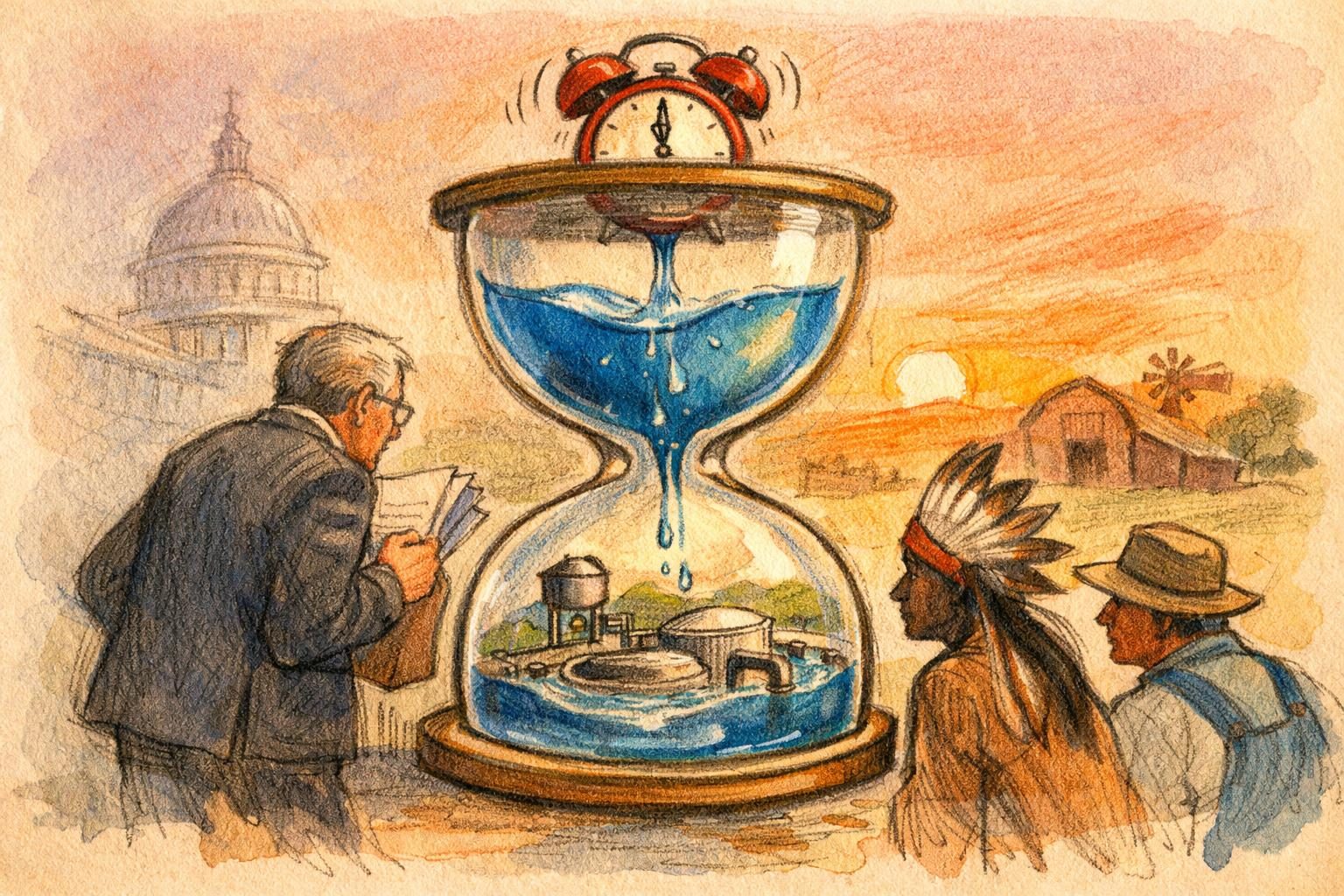
The Environmental Protection Agency’s $25.5 million technical-assistance competition for rural, small, and Tribal wastewater systems reached its August 14 deadline, closing the application window on a program that is supposed to turn federal dollars into practical help for communities that are often too small, too remote, or too under-resourced to solve wastewater problems on their own. The agency has framed the effort as part of its Real Water Technical Assistance push, a broader attempt to connect local systems with the engineering, planning, training, and administrative support needed to keep sewage treatment and collection infrastructure functioning. That may sound procedural, but the stakes are not. For many places, wastewater failures are not abstract policy concerns; they are the difference between safe drinking water, passable streets, and a public-health crisis that can spread quietly before anyone in Washington notices. The grant window closing means the competition is no longer about promises or outreach, but about which applicants made the cut and how quickly EPA can move from announcement to actual awards.
EPA says the money is meant for communities with aging, inadequate, or undersized wastewater systems, which is the polite federal way of describing places where the existing infrastructure is already straining under the load. That includes rural towns where the tax base is thin, Tribal systems that have long been asked to do more with less, and small communities that may have a single operator, limited technical staff, or no in-house grant writing capacity at all. In those settings, technical assistance can matter almost as much as direct construction funding because the first barrier is not always the pipe or pump itself. Sometimes it is the engineering study, the compliance paperwork, the maintenance plan, or the procurement process that makes the difference between a project moving forward and stalling for another year. EPA’s program is built around that reality, and the deadline now locks in which organizations and providers will be considered for support to help communities diagnose problems and build a path toward repair or modernization.
The timing also underscores a broader political contradiction that tends to surface whenever Washington talks about infrastructure. Leaders can point to major federal spending packages and celebrate investment, but plenty of the country still lacks the boring, invisible systems that keep sewage from backing up into homes, schools, rivers, and groundwater. Wastewater work rarely makes for good optics because it is buried, complicated, and expensive, yet it is among the clearest tests of whether public dollars are reaching places that have historically been left behind. Rural counties and Tribal communities often face the same structural disadvantages: fewer ratepayers to spread costs across, higher per-household project expenses, and systems that are old enough to need repeated emergency fixes instead of planned upgrades. In that environment, a technical-assistance grant can function as a bridge to larger capital work, helping local officials figure out what actually needs to be rebuilt and how to get there without guessing. Supporters of environmental justice efforts will likely treat the deadline as another marker of whether federal water policy is being matched by real implementation rather than rhetoric.
What happens next is the part that will determine whether the program is remembered as useful or merely well-intentioned. EPA will have to review the submissions, evaluate which applicants can deliver the strongest assistance, and decide how the money gets distributed across communities with very different needs and capacities. The agency will also have to show that it can move the awards process in a way that is transparent enough to inspire confidence, especially because wastewater grants touch both public health and the long-running complaints of rural places that federal programs are often easier to announce than to access. If the money lands in the right places and the assistance is practical, the agency can argue that it is helping systems build resilience before the next storm, flood, or equipment failure forces a more expensive emergency response. If the process drags, becomes opaque, or ends up concentrated in a narrow set of recipients, critics will have a ready-made example of how infrastructure talk can outpace infrastructure delivery. For now, the deadline has done what deadlines do: it has turned a policy promise into a real administrative test, and the results will say something important about whether the federal government can still do the unglamorous work of keeping wastewater systems from becoming local disasters.
Comments
Threaded replies, voting, and reports are live. New users still go through screening on their first approved comments.
Log in to comment
No comments yet. Be the first reasonably on-topic person here.