
EPA and DOJ keep extracting big pollution settlements, but the cleanup bill comes after the harm
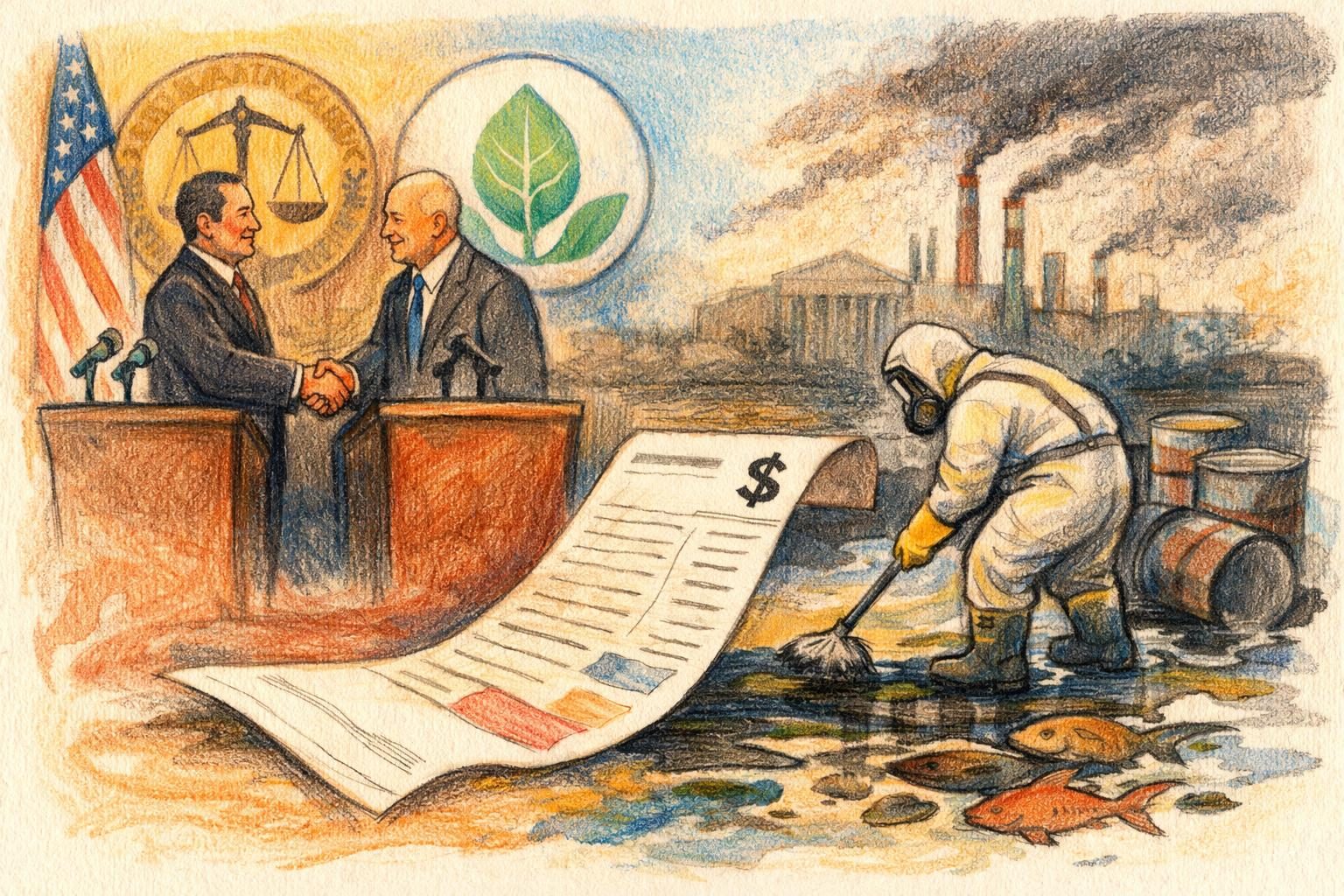
The federal government has spent the past several weeks landing two large environmental settlement announcements that say as much about delay as they do about enforcement. On June 24, 2026, EPA and the Justice Department announced a $450 million proposed settlement with Chemours tied to PFAS claims. On July 10, 2026, they announced a separate proposed settlement with the owner and operator of the Keystone pipeline over a 2022 rupture. Both matters remain proposed consent decrees subject to public comment and court approval. citeturn0search0turn0search1turn0search2
The headline numbers are real, and so is the basic point regulators want to make: the government can still force meaningful cleanup money out of companies that left behind contamination. But the size of the settlements is also a blunt reminder that environmental enforcement usually shows up late. By the time a case is far enough along to produce a nine-figure resolution, the pollution has often already moved through water systems, soil, and communities that had to live with the damage long before a courtroom caught up. citeturn0search0turn0search1
The Chemours deal fits that pattern closely. EPA said the proposed agreement resolves claims tied to PFAS releases and related contamination, with money and relief meant to address the consequences of the pollution. But because it is a lodged consent decree rather than a final judgment, it is still moving through the formal approval process. That matters because the legal paper trail is not the same thing as completed accountability. Communities affected by PFAS have already had to deal with testing, treatment, and uncertainty while the enforcement case worked its way toward a settlement. citeturn0search0turn0search2
The Keystone case tells a similar story in a different setting. The government’s July announcement covered a proposed consent decree connected to the 2022 pipeline rupture, not a finished final order. In practical terms, that means the government is still in the stage of translating a spill into legal consequences. The cleanup and response work may be underway, but the larger point remains: once a pipeline fails, the environment and nearby communities take the hit first, and the enforcement machinery moves afterward. citeturn0search1turn0search3
Put together, the two settlements show a government that can still produce serious penalties and cleanup obligations, but usually after the damage is done. That is a real enforcement win for regulators. It is also a quiet admission that the public often ends up carrying the health, water, and delay costs first, with the bill finally arriving years later in the form of a settlement headline. citeturn0search0turn0search1turn0search2
Comments
Threaded replies, voting, and reports are live. New users still go through screening on their first approved comments.
Log in to comment
No comments yet. Be the first reasonably on-topic person here.