
DOJ Sues Ohio Landlord in Fair-Housing Sexual Harassment and Retaliation Case
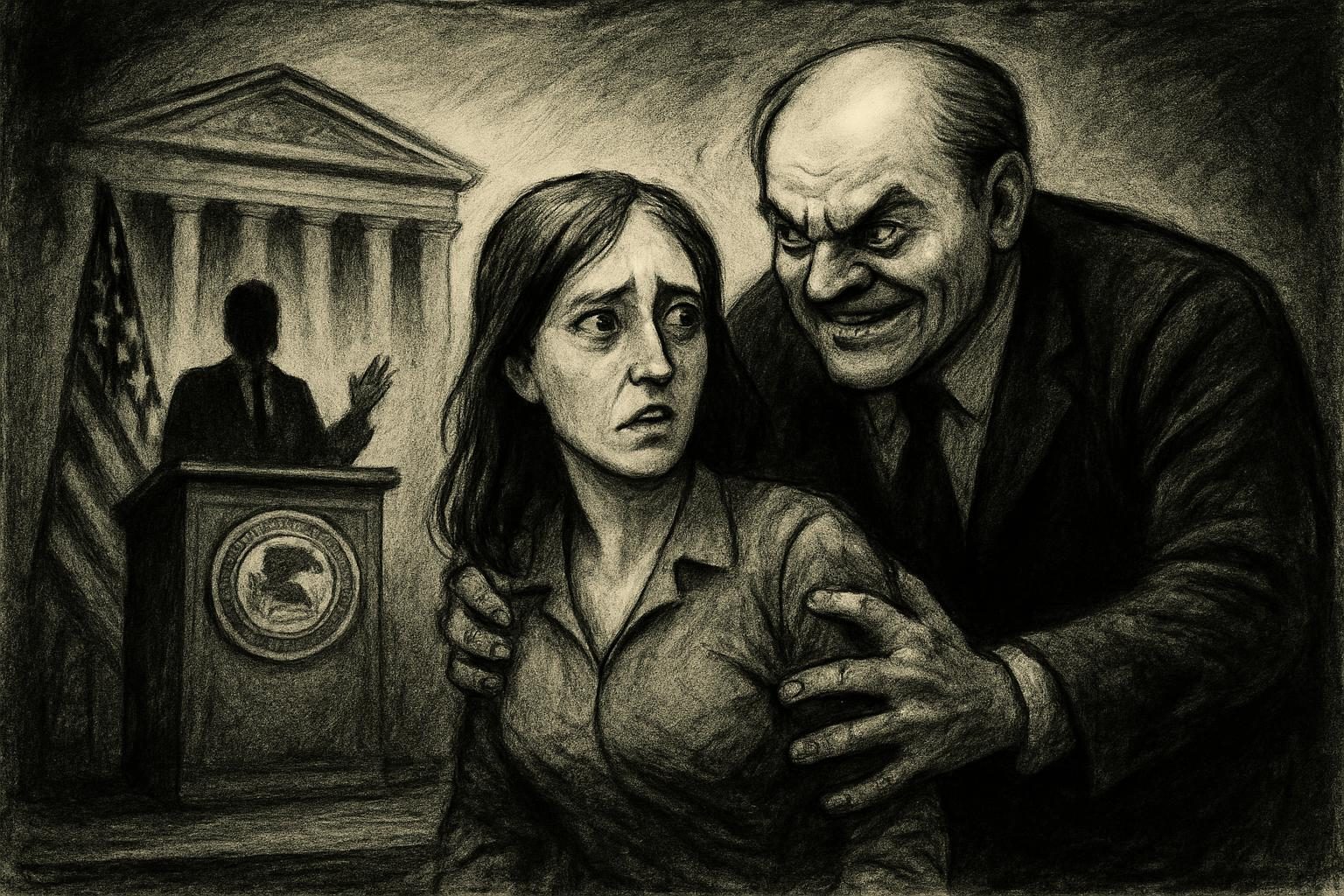
The Justice Department filed a federal fair-housing lawsuit on August 24, 2026, accusing an Ohio landlord of sexually harassing female tenants and retaliating against them when they resisted. According to the complaint, the alleged misconduct stretches back to 2008 and continued over multiple years, making this less a one-off dispute than a long-running abuse-of-power claim inside the rental market.
The government’s case says the landlord used his control over housing to pressure women living in his properties and then took retaliatory steps when they did not comply. That is the legal theory at the center of the filing: not ordinary tenant friction, but conduct the department says violated housing law by tying access to shelter to sexual coercion and punishment.
The complaint matters because the landlord-tenant relationship already gives owners a built-in advantage. Renters can face eviction threats, selective rule enforcement, loss of housing references, or other pressure points that are hard to document and harder to fight while still needing a place to live. Federal fair-housing law is meant to reach exactly that kind of abuse when housing access is allegedly used as leverage for harassment.
The allegations still have to be proved in court, and the filing does not resolve the facts. But the government’s move signals that officials viewed the conduct described in the complaint as serious enough to bring into federal court. For tenants, the case is another reminder that housing abuse can be treated as a civil-rights violation, not just a bad landlord story.
Comments
Threaded replies, voting, and reports are live. New users still go through screening on their first approved comments.
Log in to comment
No comments yet. Be the first reasonably on-topic person here.