
Justice Department sues Ohio landlord over alleged sexual harassment of tenants
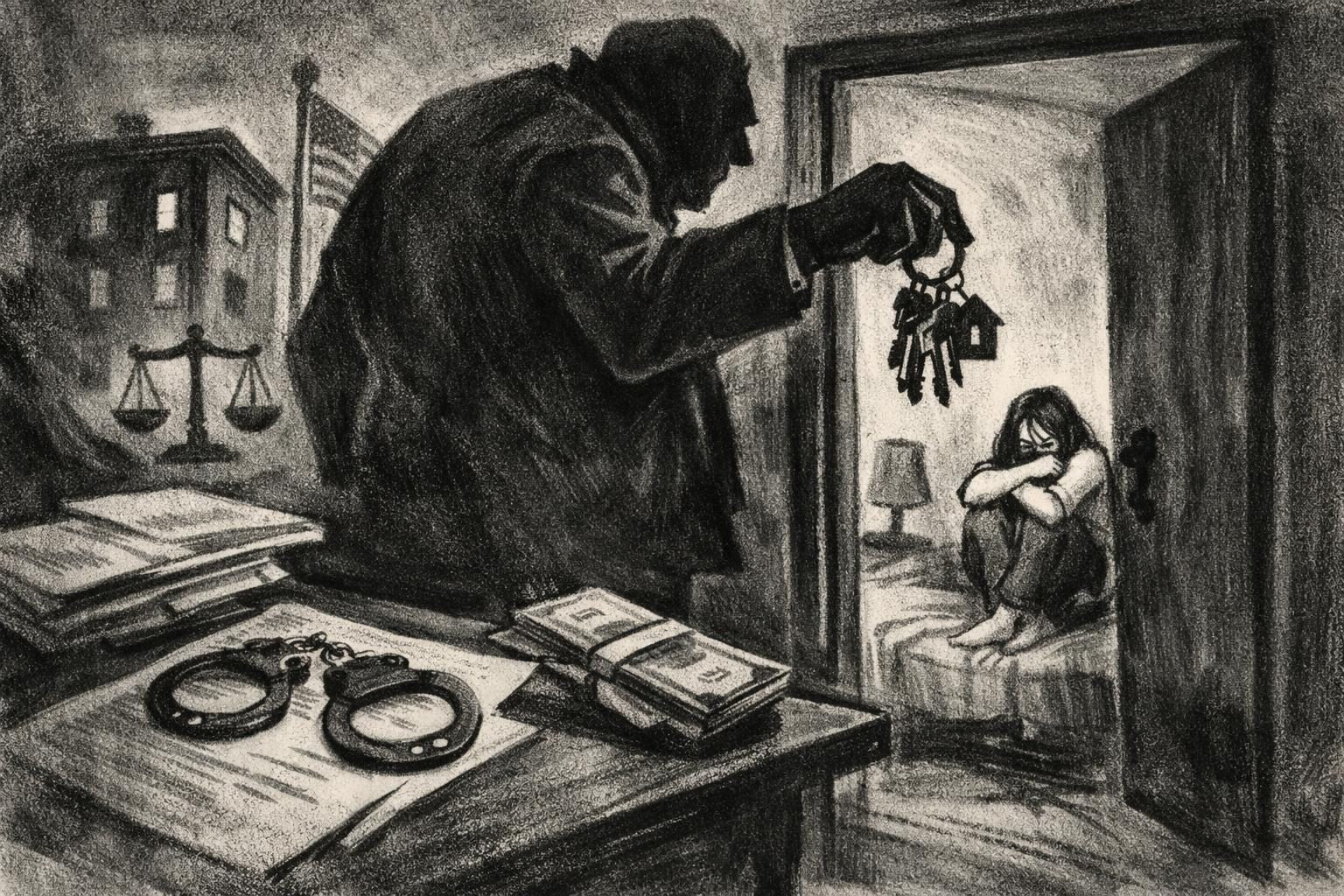
The Justice Department has filed a civil housing lawsuit in Ohio accusing a Girard landlord of using rent, repairs, and other housing-related leverage to pressure female tenants into sexual contact, then punishing those who resisted. The defendant, Alfred Falgiani Jr., is accused of sexually harassing tenants over a span of years, with alleged conduct dating back to 2008. According to the complaint, the behavior included unwelcome touching, sexual comments, and offers of housing benefits in exchange for sex. The government also says tenants who refused or objected faced retaliation. On its face, it is the kind of case that turns an ordinary landlord-tenant relationship into a coercive power structure, with the landlord allegedly exploiting one of the most basic human needs available: a place to live.
That matters because housing is not just another consumer transaction. For many renters, a landlord controls the roof overhead, the condition of the home, the timing of repairs, and the threat of eviction or other consequences if someone speaks up. That gives the person on the other side of the lease enormous power, especially when tenants are low-income, isolated, or already afraid of losing stable housing. The allegations in this case fit squarely into the logic of the Fair Housing Act, which bars discrimination and harassment in housing and is meant to stop exactly this kind of abuse of authority. If the complaint is proved, the alleged conduct would represent a severe betrayal of the basic trust that should exist between a landlord and tenant. Instead of a housing provider, the complaint describes a person allegedly using property access as a tool of coercion.
The civil case also highlights how often sexual misconduct in housing stays hidden until someone is willing to come forward at considerable personal cost. Tenants who report harassment can risk retaliation, eviction pressure, damaged references, or years of stress while trying to keep a roof over their heads. That fear can make these cases extraordinarily hard to uncover and even harder to prosecute. Unlike a workplace complaint, where other employees may witness the abuse or records may be easier to assemble, landlord-tenant harassment can happen in private and behind closed doors, with the victim left to prove that a pattern exists. The Justice Department’s filing suggests investigators believe the alleged conduct was not isolated, but part of a longer-running pattern of behavior serious enough to justify federal intervention. The complaint is still an allegation, and the claims will have to be tested in court, but the government is plainly treating the matter as more than an ugly misunderstanding or a single bad interaction.
The broader significance goes beyond one defendant in one Ohio town. Housing discrimination enforcement is one of the clearest ways the federal government can show whether civil-rights law still has real bite in everyday life, not just in headline cases that draw attention because they involve large institutions. Cases like this test whether the law can reach ordinary abuse of power when it happens in the places people can least afford to lose. They also reinforce a hard truth: sexual harassment is not confined to offices, schools, or other visible workplaces. It can flourish anywhere power is concentrated and accountability is weak, including in rental housing where one person may control access to stability, privacy, and safety. The government is seeking damages, civil penalties, and an order barring future discrimination, which suggests it views the allegations as a serious enforcement matter with implications beyond one alleged victim or one property owner. If the case succeeds, it could send a message to landlords and tenants alike that the authority to rent a home is not permission to demand sexual access or punish refusal. And even if the facts are still to be proven, the complaint underscores a basic point that should not be controversial: no one should have to trade dignity for shelter, and no landlord should be allowed to turn desperation into leverage.
Comments
Threaded replies, voting, and reports are live. New users still go through screening on their first approved comments.
Log in to comment
No comments yet. Be the first reasonably on-topic person here.