
DOJ sues Ohio court over courthouse arrest ban
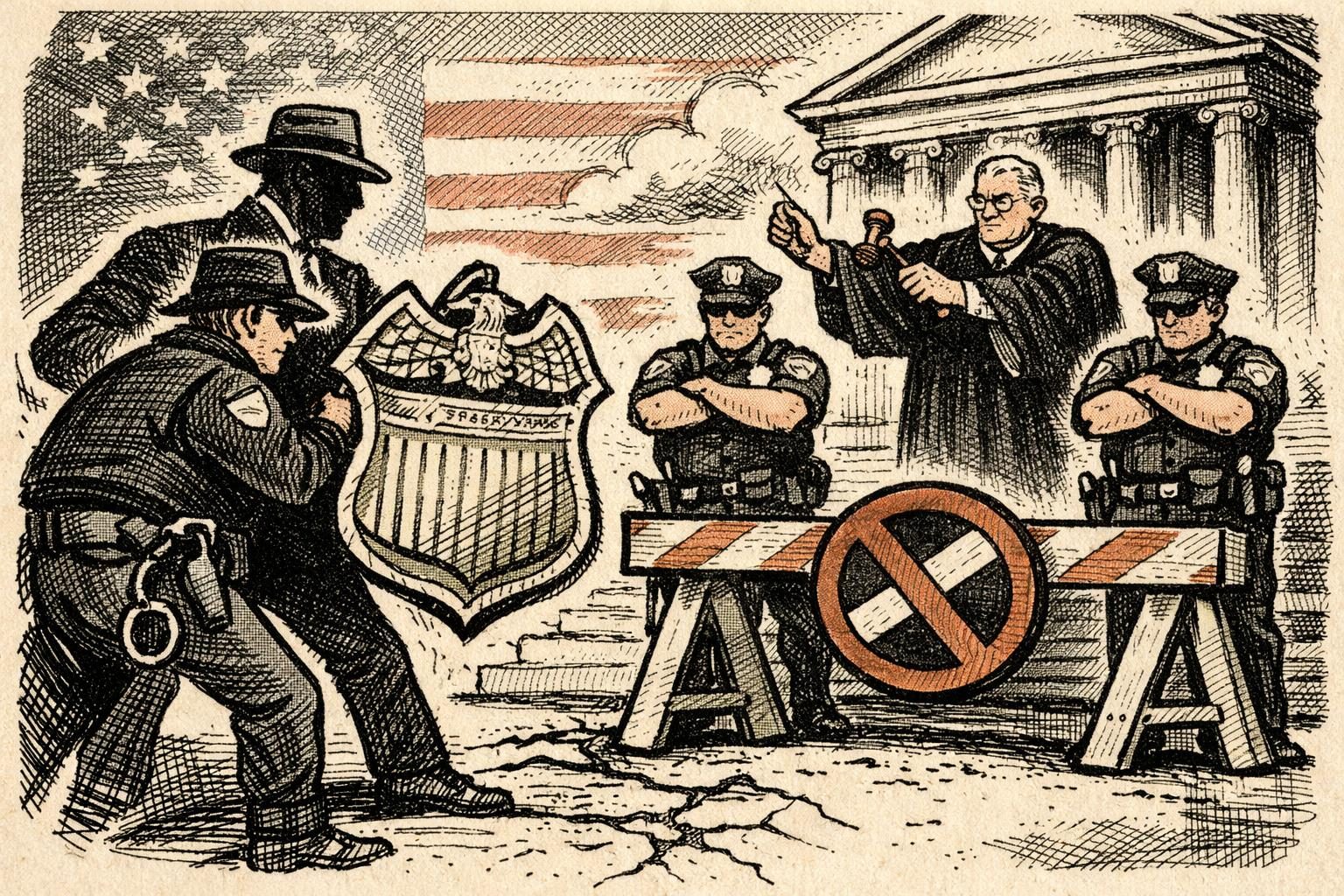
The Justice Department has turned a local courthouse dispute in Columbus into a full-blown federal case, suing the Franklin County Municipal Court, its judge, and the court’s security director over a policy that bars federal immigration arrests in or around the courthouse. Filed on Aug. 25, the lawsuit marks a sharper escalation than the usual back-and-forth of complaints and public statements. Instead of asking the court to reconsider, the government is arguing that the rule unlawfully interferes with federal law enforcement and should be struck down. In practical terms, the department is telling a local court that it cannot create a safe zone around itself if federal officers want to make arrests there. The move puts a spotlight on one of the most combustible points in immigration enforcement: what happens when people show up at court because they are required to, and federal agents are waiting nearby.
The administration’s argument is straightforward, even if the politics around it are not. The government says courthouse arrests are sometimes necessary because they lower the risk that a person will flee and can make arrests safer for officers and bystanders. That framing matters because it casts the policy as a public-safety tool rather than a purely immigration-driven tactic. It also gives the department a legal and rhetorical basis for challenging local resistance as more than just a disagreement over courthouse etiquette. From Washington’s perspective, a local court cannot simply declare itself off-limits to federal agents if those agents are acting within their authority. From the court’s perspective, the rule appears aimed at preventing a practice that can deter people from coming to hearings in the first place. Those two views are now on a collision course, and the lawsuit makes clear that the conflict is not being treated as a minor jurisdictional squabble.
Courthouses have become central battlegrounds in the broader immigration fight because they concentrate vulnerability in one place. People appear there because they have legal obligations, not because they have chosen to enter a law enforcement encounter on the street. Many arrive with lawyers, family members, or witnesses, which is part of why arrests around court can have consequences that ripple far beyond the individual case. Immigration advocates have long argued that visible enforcement at courthouses chills access to justice, making immigrant communities more likely to miss hearings or avoid the system altogether out of fear. The Justice Department, by contrast, is pressing the idea that courthouse arrests are an ordinary and sometimes useful enforcement tool that should not be blocked by local rules. That divide has made courthouses one of the most sensitive places in the country’s immigration debate, where the legal issues and the human consequences are tightly intertwined. In this case, the Franklin County Municipal Court has become the latest place where those tensions are being tested in federal court.
The broader significance is that this lawsuit may be less about one courthouse in Ohio than about setting a national example. The department is not just objecting to a local policy; it is seeking a court ruling that would signal what limits, if any, local institutions can place on federal immigration arrests near judicial buildings. If the government succeeds, it could embolden more aggressive courthouse enforcement and discourage other courts from trying to create similar protections. If the government loses, the ruling would hand opponents of courthouse arrests a fresh legal victory and another example of judicial resistance to the administration’s immigration approach. Either way, the case is likely to matter well beyond Columbus because it sits at the intersection of federal authority, local control, and access to justice. It also reflects how far the administration is willing to push enforcement tactics that civil-rights advocates say discourage participation in the legal system and deepen distrust among immigrant communities. For now, the lawsuit ensures that a local courthouse policy has become a national test of who gets to control the space around the courtroom door.
Comments
Threaded replies, voting, and reports are live. New users still go through screening on their first approved comments.
Log in to comment
No comments yet. Be the first reasonably on-topic person here.