
EPA sets August 26 deadline on clean-water settlement comments
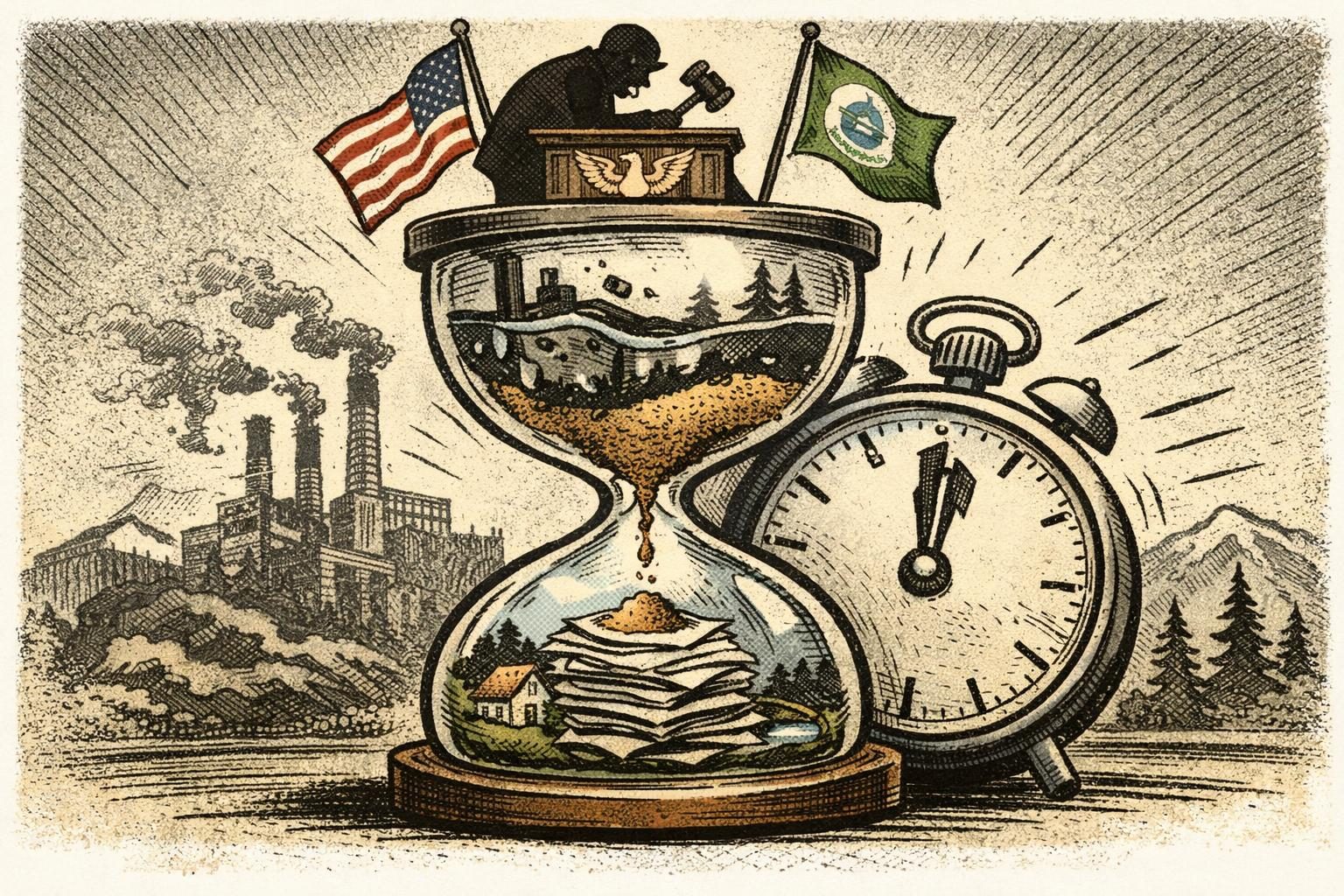
The Environmental Protection Agency hit an August 26 comment deadline on a set of proposed clean-water settlements that may not have the drama of a Supreme Court showdown, but still matter in the everyday business of federal enforcement. The agency’s public-notice docket included proposed resolutions tied to Clean Water Act violations involving companies such as Haddonstone (USA) Ltd. and Bottini Wood Products, alongside other matters moving through the same process. In practical terms, that means the public had until that date to weigh in on whether the terms EPA is considering are adequate, fair, and enforceable. For communities living near the affected facilities, the issue is not abstract at all. It is about what happens when pollution rules are broken and whether the eventual fix actually changes behavior.
That kind of deadline is easy to overlook if the political calendar is dominated by constitutional fights, emergency declarations, or other headline-grabbing showdowns. But the machinery of environmental enforcement does not pause just because the larger news cycle is noisy. A comment window is one of the last formal chances for residents, advocates, and other interested parties to challenge or support a proposed settlement before the agency decides whether to finalize it. Once that window closes, EPA can move toward making the agreement binding, which can bring penalties, reporting obligations, compliance deadlines, or other corrective measures. In other words, this is where a proposed deal starts turning into enforceable paper. That is not flashy, but it is often the point at which accountability becomes real.
The significance of the August 26 deadline also sits in the broader pattern of how this administration has tried to present itself on environmental enforcement. Officials have at times emphasized a tougher posture toward pollution and a willingness to use agency authority, even as the government fights other political and legal battles elsewhere. That creates a split reading of actions like this one. On one hand, the notices suggest that EPA is still willing to pursue violations and put settlements through a public process. On the other, environmental advocates may wonder whether the proposed terms are robust enough to deter future violations or whether the agency is simply closing cases in a way that looks active without forcing deeper change. Industry, predictably, will focus on cost, scope, and whether the government is using the settlement process to establish leverage before the final language is locked in.
There is also a local-government-and-community angle that gets lost when environmental notices are treated as bureaucratic filler. Public comment periods exist for a reason, and they are often the only moment when affected residents can push back on a settlement that may shape cleanup obligations for years. If the terms are too weak, nearby communities may continue to live with the consequences of improper discharges, inadequate controls, or repeated compliance failures. If the terms are strong, they can function as a deterrent and a roadmap for better behavior. The point is not that every settlement notice becomes a major national event. It is that these smaller enforcement actions are where federal environmental policy gets translated into actual obligations on the ground. For people watching the system closely, the details matter more than the press release language.
The EPA’s public-notice docket makes that dynamic visible because it turns enforcement into something the public can still touch before it becomes final. That is why an August 26 deadline belongs in a news update even if it lacks the emotional voltage of the day’s louder political fights. These are live federal proceedings, not archival paperwork. They carry the possibility of penalties, compliance requirements, and formal closure of alleged Clean Water Act violations. They also leave open the question of whether the agency is being sufficiently aggressive, sufficiently transparent, and sufficiently responsive to the people most affected by pollution. For all the noise surrounding the bigger national battles, the quieter deadlines are often where governance either works or fails.
The docket item is also a reminder that environmental enforcement tends to move through a procedural timeline that is easy to miss until the clock is nearly out. Notice, comment, response, finalization: those steps may sound routine, but they are where the public can still intervene before an agreement is cemented. Once the deadline passes, the agency’s options narrow and the proposed resolution can quickly become the operative version of the settlement. That is why these dates matter even when they do not produce immediate political theater. They define when a community can still speak and when a company’s obligations may start to harden. In a news cycle crowded with grand claims and constitutional drama, the dull machinery of government keeps running on deadlines like this one.
Comments
Threaded replies, voting, and reports are live. New users still go through screening on their first approved comments.
Log in to comment
No comments yet. Be the first reasonably on-topic person here.