
Trump declares national emergency over bulk-power system equipment
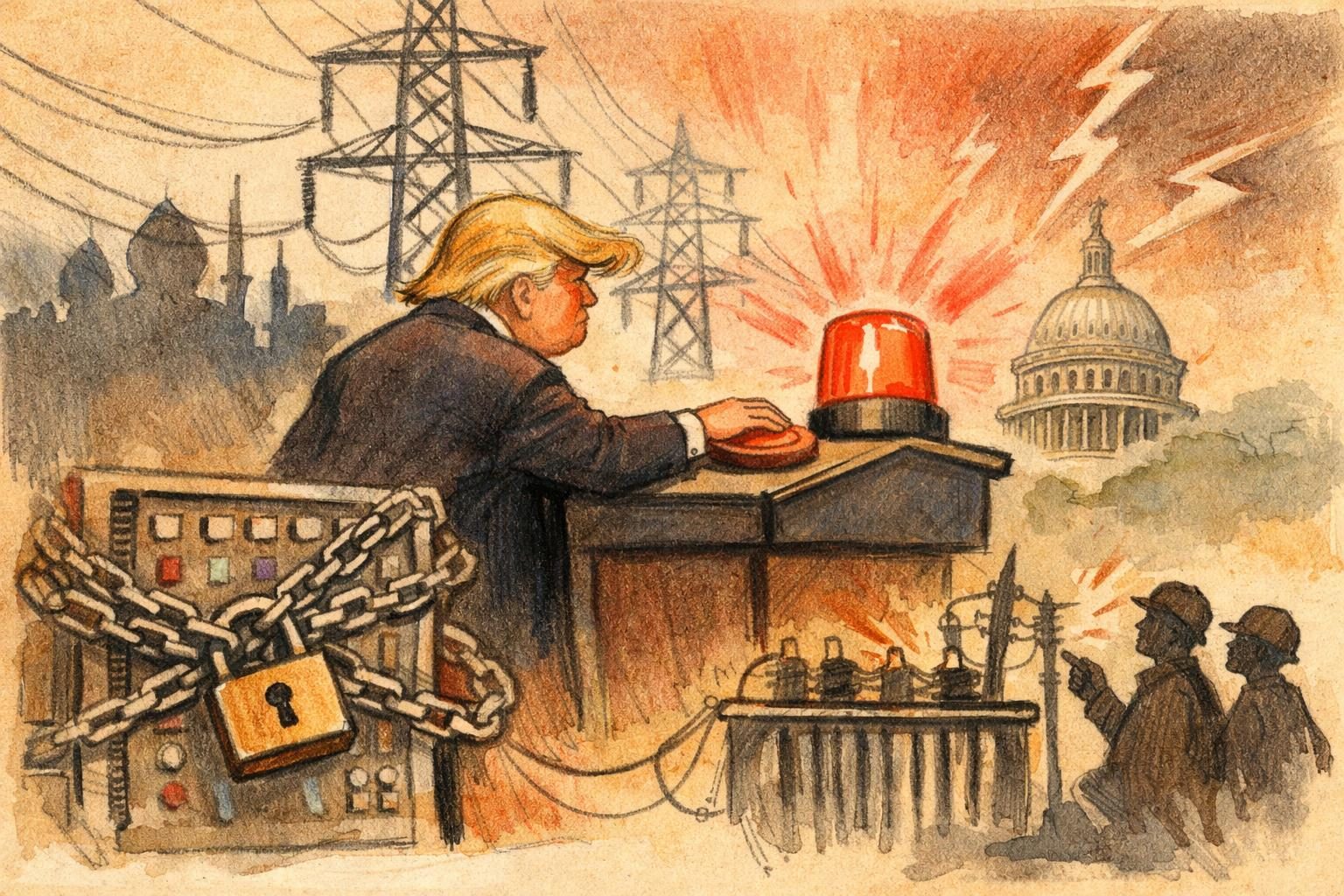
President Donald Trump on August 26 declared a national emergency aimed at the bulk-power system, the network of equipment and controls that helps move electricity across large parts of the country. The White House order says foreign-produced equipment, software, and digital capabilities in that system can pose national-security risks and directs federal agencies to respond with restrictions on some transactions involving covered grid components.
The action matters because it turns a supply-chain and security concern into an emergency declaration, which gives the administration a faster path to impose limits than ordinary rulemaking would. The order is not just a statement of concern. It authorizes agencies to identify covered equipment and to prohibit or condition certain purchases, installations, or related transactions involving foreign-made grid technology.
The administration’s case is that the grid is too important to leave exposed to vulnerabilities tied to foreign suppliers. That argument is plausible on its face: bulk-power equipment is critical infrastructure, and failures or compromise can ripple quickly into outages, economic losses, and public-safety problems. But the order also expands executive leverage over a heavily regulated sector, and the practical effects will depend on how agencies define covered technology, what exemptions they allow, and how they enforce the new restrictions.
That leaves utilities, manufacturers, and state regulators with an immediate question: what exactly falls inside the new emergency framework, and how quickly will the government move to act on it? The order sets the direction. The harder work is turning that direction into rules that can be applied without disrupting reliability, inflating costs, or freezing existing procurement plans. For now, the administration has chosen emergency authority as the vehicle. The real test is whether the policy produces a more secure grid or just a faster federal power grab.
Comments
Threaded replies, voting, and reports are live. New users still go through screening on their first approved comments.
Log in to comment
No comments yet. Be the first reasonably on-topic person here.