
EPA touts a big shift away from animal testing
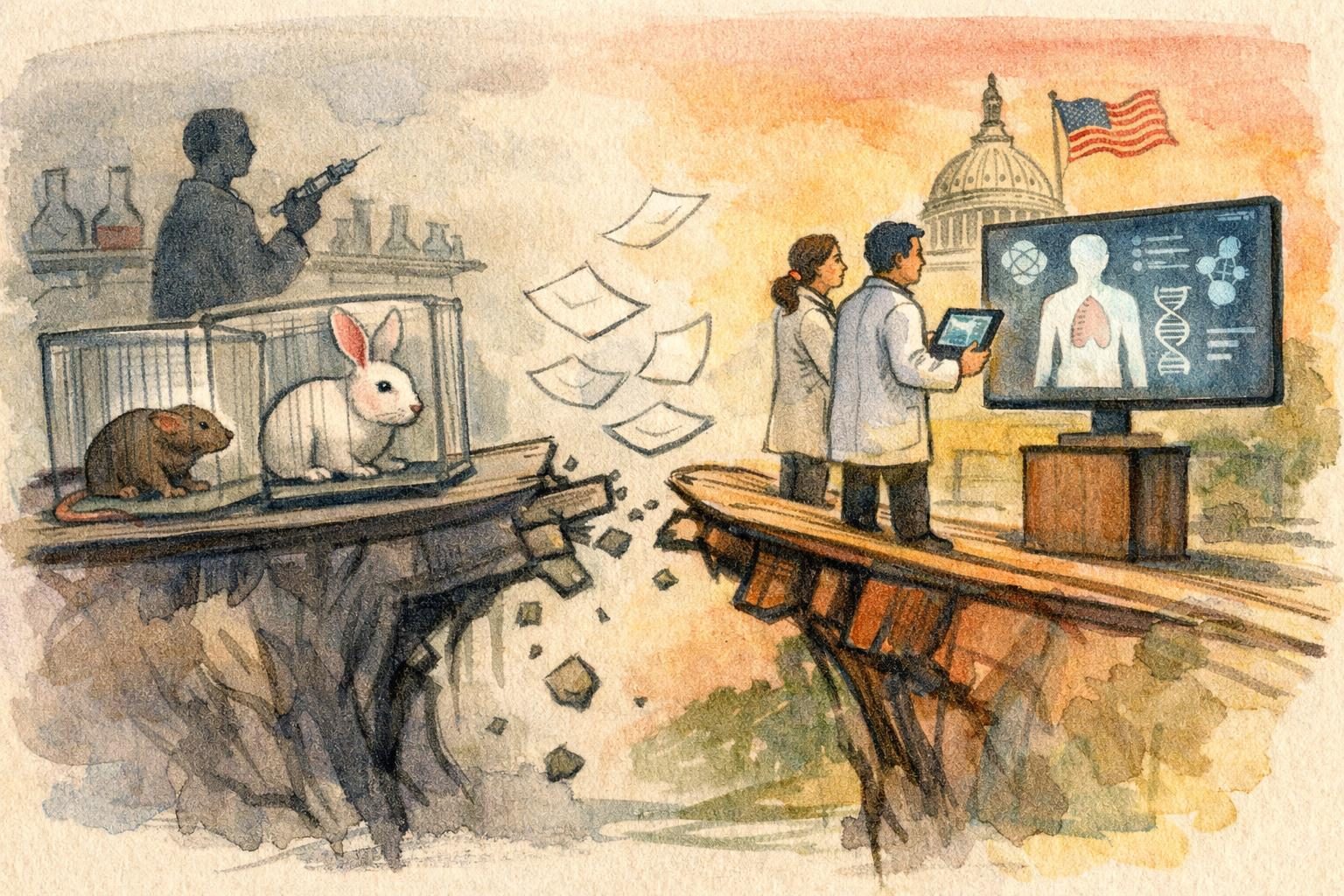
The Environmental Protection Agency used August 27 to announce two scientific changes it says are meant to reduce, and eventually replace in some settings, the use of animal testing in chemical reviews and pesticide assessment. On paper, that sounds like one of those inert-sounding administrative updates that only policy nerds and lab managers notice. In practice, it is a significant move because it goes to the heart of how the federal government decides whether a chemical or pesticide is safe enough to proceed through review. The agency is presenting the shift as a matter of better science, not just kinder science, arguing that newer approaches can more accurately predict human responses without relying so heavily on live-animal studies. That framing matters because EPA is not merely tweaking internal procedures; it is signaling a change in the evidence base that can affect regulatory timelines, industry obligations, and the kinds of data that count in future decisions. The announcement also lands at a moment when the agency’s broader chemical and pesticide agenda is under intense scrutiny, which gives the move added political weight whether supporters or skeptics like it or not.
The agency’s own materials make clear that this was an official same-day development, not a recycled talking point or a vague promise about someday doing better. EPA paired the announcement with information on its pesticides side and described the changes as major scientific advancements designed to further eliminate animal testing. That language is deliberate, and it tells you the agency wants this to be understood as a substantive policy direction rather than a symbolic gesture. It also suggests EPA is trying to normalize a more modern toxicology framework inside processes that have long depended on animal studies as one of the standard tools for understanding risk. For chemicals and pesticides, that can matter at multiple stages: deciding what evidence is enough to move a product forward, determining what gaps exist in the data, and judging whether an applicant has made a sufficiently persuasive case for approval. In other words, this is not just about what happens inside a laboratory. It is about how the agency organizes the rules of the game for regulated industries and the expectations of the public.
The politics around that shift are predictably messy. Animal-welfare advocates are likely to see it as overdue progress, and the immediate favorable reaction from those groups makes clear EPA knows it is touching a live issue. The agency gets credit, at least from that perspective, for saying out loud that the old system should not remain the default forever. But once you get past the applause, the harder questions start. Can the new methods be validated well enough to give regulators confidence? Will the agency apply them consistently across chemical reviews and pesticide assessments? Will the transition reduce unnecessary testing without creating blind spots in safety reviews? Those are not abstract questions, because any move away from animal studies changes how much uncertainty the agency has to tolerate and how it communicates that uncertainty to the public. Industry will likely want predictability and clear standards, while public-health advocates will want assurance that fewer animal tests do not translate into weaker protection. The most realistic reading is that EPA is trying to claim the middle ground: modernizing its science while insisting that the protection mission stays intact.
That middle ground is where this announcement will ultimately be judged. If the agency can show that non-animal methods are reliable, transparent, and fit for regulatory use, the change could become one of the more consequential technical shifts in recent EPA practice. It could influence not only chemical reviews and pesticide work but also how the agency thinks about evidence more broadly in environmental health decisions. If, on the other hand, the transition proves too rushed, too opaque, or too dependent on methods that have not been sufficiently tested, then critics will argue that the agency has swapped one set of problems for another. Either way, the announcement is not trivial, because it signals that EPA wants to move decisively toward a more modern toxicology toolkit. For people who want fewer animal tests, that is welcome news. For companies accustomed to the old regulatory rhythm, it is a reminder that the review process may be changing under their feet. And for anyone watching the agency’s next moves on chemicals and pesticides, it is another sign that technical questions are now inseparable from the larger political fight over how aggressively Washington should police environmental and health risks.
Comments
Threaded replies, voting, and reports are live. New users still go through screening on their first approved comments.
Log in to comment
No comments yet. Be the first reasonably on-topic person here.