
Shipping firms get fined for hiding oily waste discharges
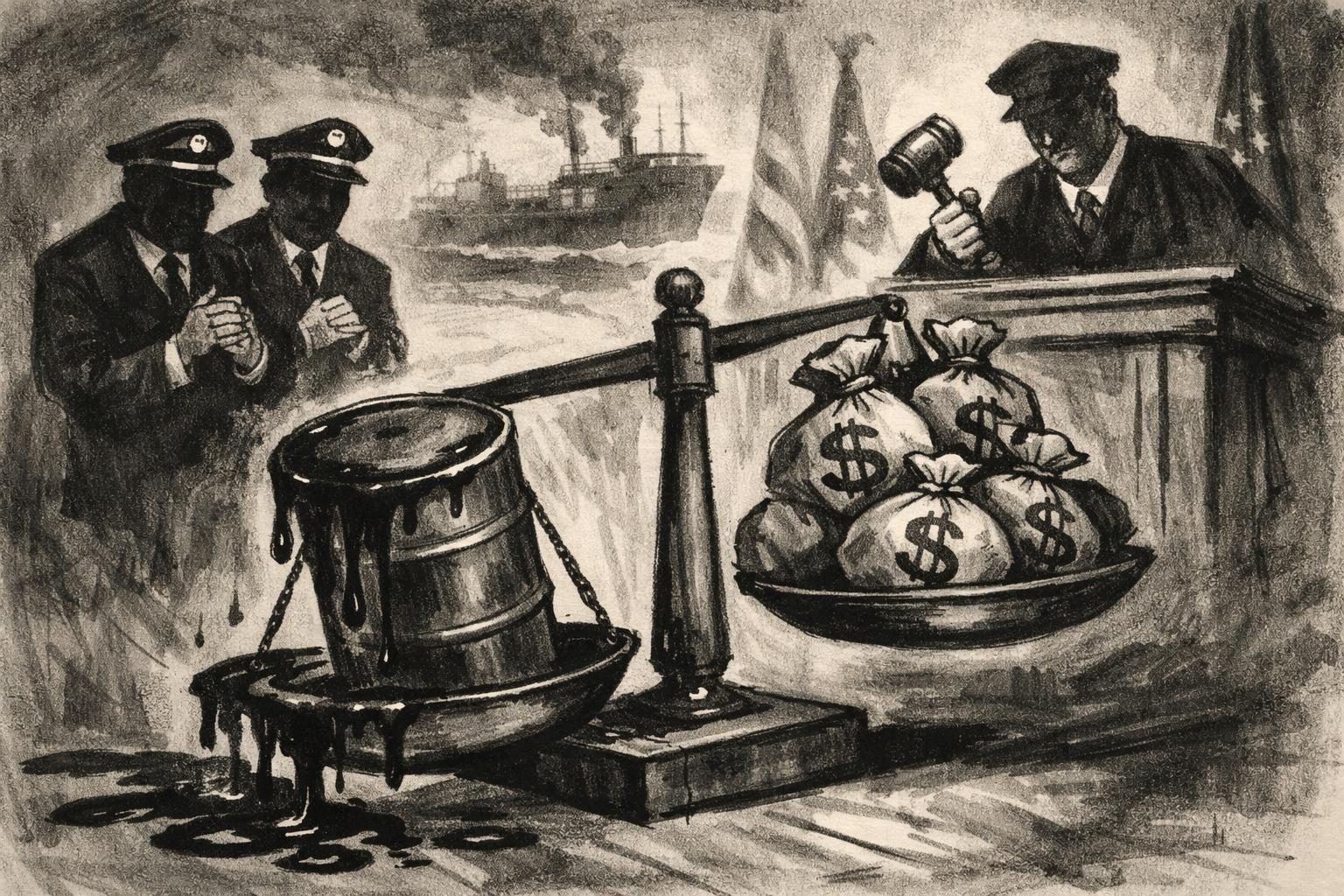
Two shipping companies were sentenced on Aug. 28 to pay a combined $1.75 million after federal prosecutors said they concealed illegal discharges of oily waste from a vessel operating off U.S. waters. Both companies pleaded guilty, closing out a case that adds another relatively unglamorous but meaningful entry to the federal government’s pollution-enforcement ledger. The basic allegation is simple enough: oily waste was discharged at sea, then hidden rather than reported honestly. The government treated that concealment as a crime, not an accounting error. That distinction matters, because in the shipping business the temptation to treat environmental rules as paperwork can be stronger than the industry’s public rhetoric suggests.
According to the Justice Department, the conduct stretched from June 2024 into January 2025, which makes this look less like a one-off lapse than a sustained effort to keep bad news out of the official record. Prosecutors said the companies concealed the discharges of oily waste into the ocean from a vessel that was operating beyond U.S. waters, an arrangement that often complicates oversight even before anyone decides to hide anything. If the timeline is accurate, the case suggests repeated choices rather than a single mistake made in a moment of confusion. That matters because environmental violations at sea are difficult to detect in real time, and the farther from port they happen, the easier it is for companies to assume no one is watching. When they are caught, the government’s message is that distance does not equal immunity.
There is a practical reason these cases draw attention even when the dollar figure is modest by the standards of global shipping. Oily waste discharged into the ocean can create pollution that is hard to see at first and expensive to clean later, while the immediate cost is often shifted onto coastal communities, fisheries, and taxpayers when enforcement fails. Concealment also undermines the basic inspection and reporting systems that maritime regulators depend on, because a rule that can be ignored and then falsified is not much of a rule at all. The combined $1.75 million penalty may not be the kind of sum that sends a multinational operator into panic, but guilty pleas do carry consequences beyond the check written at sentencing. They create a public record, expose the companies to reputational damage, and give regulators a baseline for future cases if the pattern continues. In industries that rely on public trust and access to ports, that is not nothing.
The broader political lesson is less tidy, but it is still worth taking seriously. Federal environmental enforcement often gets criticized from both directions, with advocates saying agencies do too little and business groups claiming the government is too aggressive whenever a fine lands. This case does not settle that debate, but it does show the machinery can still move when prosecutors decide a violation is worth pursuing. Supporters of stricter oversight will point to the guilty pleas as proof that enforcement works only when it is used consistently and backed by monitoring. Skeptics will say a penalty after the fact is not the same thing as preventing the pollution in the first place, and they are not wrong. But the alternative is to treat marine pollution as an unfortunate cost of doing business, which is exactly how these systems become meaningless.
What makes the case notable is not drama but its ordinariness. A vessel operating offshore allegedly discharged oily waste, the conduct was concealed, federal prosecutors brought the case, and the companies admitted guilt and were sentenced. That sequence is less cinematic than the major political fights dominating Washington, but it is the kind of enforcement action that determines whether environmental rules have any practical force. No one is going to mistake a $1.75 million penalty for a complete solution to maritime pollution, and no one should. Still, legal accountability is better than denial, and a guilty plea is better than a shrug. In a system where industrial harm is often hard to prove and easier to bury, the government at least managed to drag this one into the open.
Comments
Threaded replies, voting, and reports are live. New users still go through screening on their first approved comments.
Log in to comment
No comments yet. Be the first reasonably on-topic person here.