
Vance and Zeldin reopen the East Palestine disaster fight with an inspector-general push
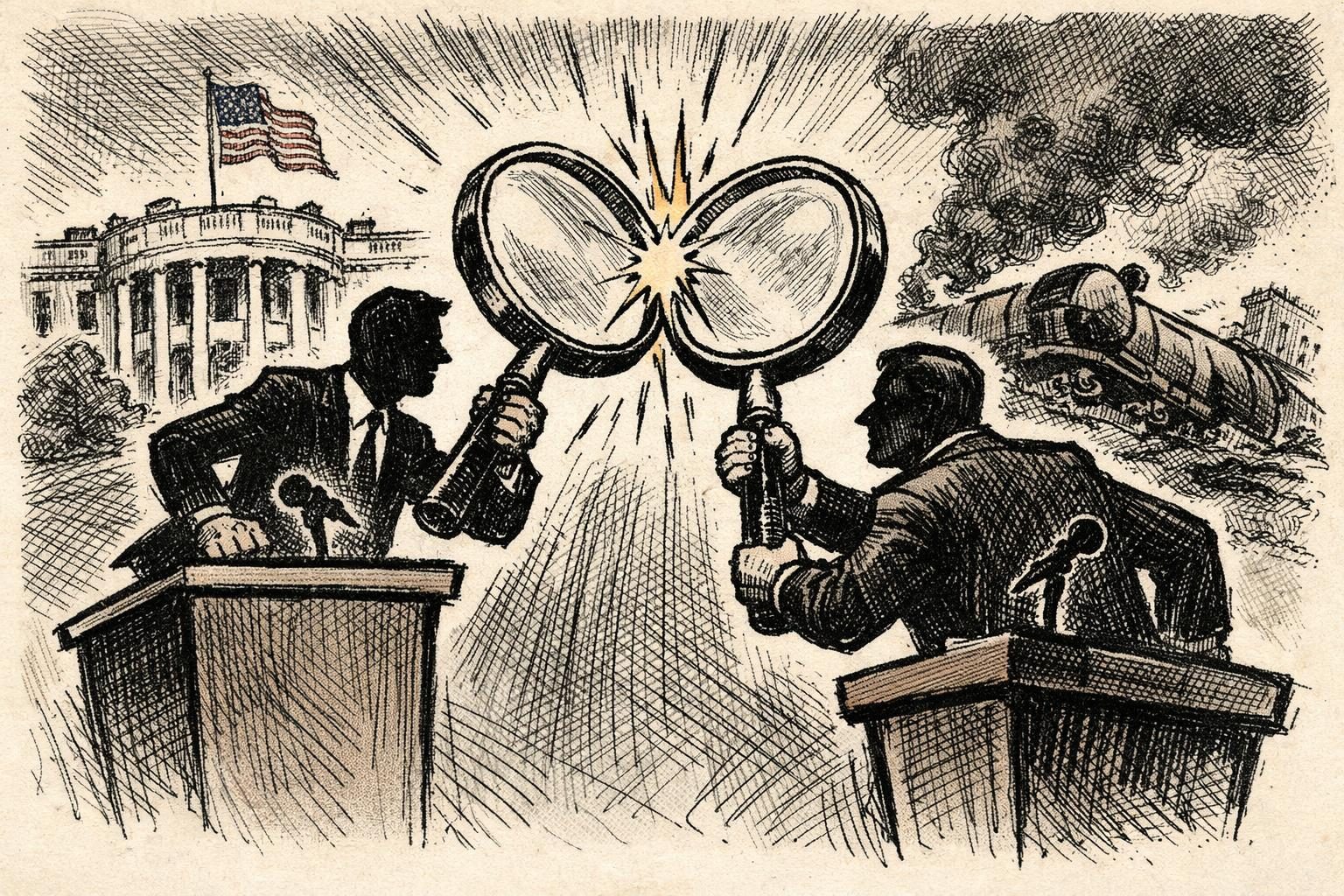
Vice President J.D. Vance and EPA Administrator Lee Zeldin have reopened one of the most politically charged environmental episodes of the past several years, asking the EPA inspector general for an independent review of the federal government’s response to the East Palestine train derailment. The request, sent on August 28, is not just another round of rhetorical blame-shifting over a disaster that already triggered congressional hearings, cleanup disputes, and years of distrust in the affected community. It is an official move that puts the Biden-era response back under the microscope and gives the current administration a concrete tool for revisiting decisions made in the aftermath of the derailment. In practical terms, the letter turns a stale but unresolved grievance into an active internal fight inside the federal bureaucracy. It also makes clear that East Palestine remains more than a local recovery story; it is still a national political symbol that both sides believe can be used to score points about accountability, competence, and who failed whom when the rail cars came apart.
That matters because the inspector-general route is different from a press release, a stump speech, or a hostile social-media post. A formal request to the EPA watchdog can lead to interviews, document preservation, internal record reviews, and a fresh accounting of how agency officials handled the response, the cleanup, and the communication with residents. It can also reopen old operational choices to scrutiny without requiring Congress to launch a new investigation or the White House to build an outside commission from scratch. Vance and Zeldin are effectively asking an internal oversight body to revisit the federal role in a disaster that still sits at the intersection of environmental risk, public health anxiety, and political distrust. The administration’s framing suggests that it views the earlier response not as a finished chapter but as a record worth challenging. At the same time, the request leaves open how far the inspector general will go, because watchdog offices are not obligated to chase every political grievance that lands on their desks. Even so, the very act of asking ensures that the derailment will be discussed again in terms of institutional failure rather than just local recovery.
The East Palestine derailment has long been useful to politicians who want to argue that ordinary Americans are left to absorb the consequences when large systems fail and federal agencies move too slowly. A train disaster becomes a clean-up story, then a health story, then a trust story, and eventually a referendum on which officials cared and which ones were either absent or late. That is part of why this new push is likely to draw sharp reactions. Critics will almost certainly see it as an attempt to turn oversight into a political weapon, especially because the request comes from the vice president and the head of the EPA rather than from career watchdogs with no electoral stake in the outcome. Supporters will argue that this is exactly how accountability should work, and that a serious agency should welcome independent review if there are questions about whether the federal response was adequate. Both claims can be true in the abstract, which is what makes the fight politically durable. The administration can cast itself as the force demanding answers, while opponents can portray the same move as a selective excavation of old wounds for partisan gain. Either way, the fight keeps East Palestine in the foreground and prevents it from fading into the background of disaster memory where many similar incidents eventually land.
What happens next depends on the inspector general’s response, and that part is still uncertain. If the office accepts the request or opens some version of a review, agency officials may have to preserve records and prepare for a formal examination of their conduct during the Biden-era response. If it declines or narrows the matter, the administration can still claim it tried to force transparency, even if the watchdog stops short of a full inquiry. The request also fits a broader pattern in which the current leadership is trying to reframe past environmental and regulatory actions as subjects for review rather than settled history. That posture is likely to appeal to voters and allies who think federal institutions have been too quick to protect themselves and too slow to admit mistakes. But it also risks making oversight feel like another instrument of political revenge, which is exactly the accusation critics will make if the process appears selective or overwrought. For now, though, the immediate story is straightforward: the White House and EPA leadership have chosen to drag East Palestine back into an official fight, and they have done it through the one mechanism that can force the bureaucracy to look inward and answer uncomfortable questions.
Comments
Threaded replies, voting, and reports are live. New users still go through screening on their first approved comments.
Log in to comment
No comments yet. Be the first reasonably on-topic person here.