
Judge blows up New York’s climate superfund scheme
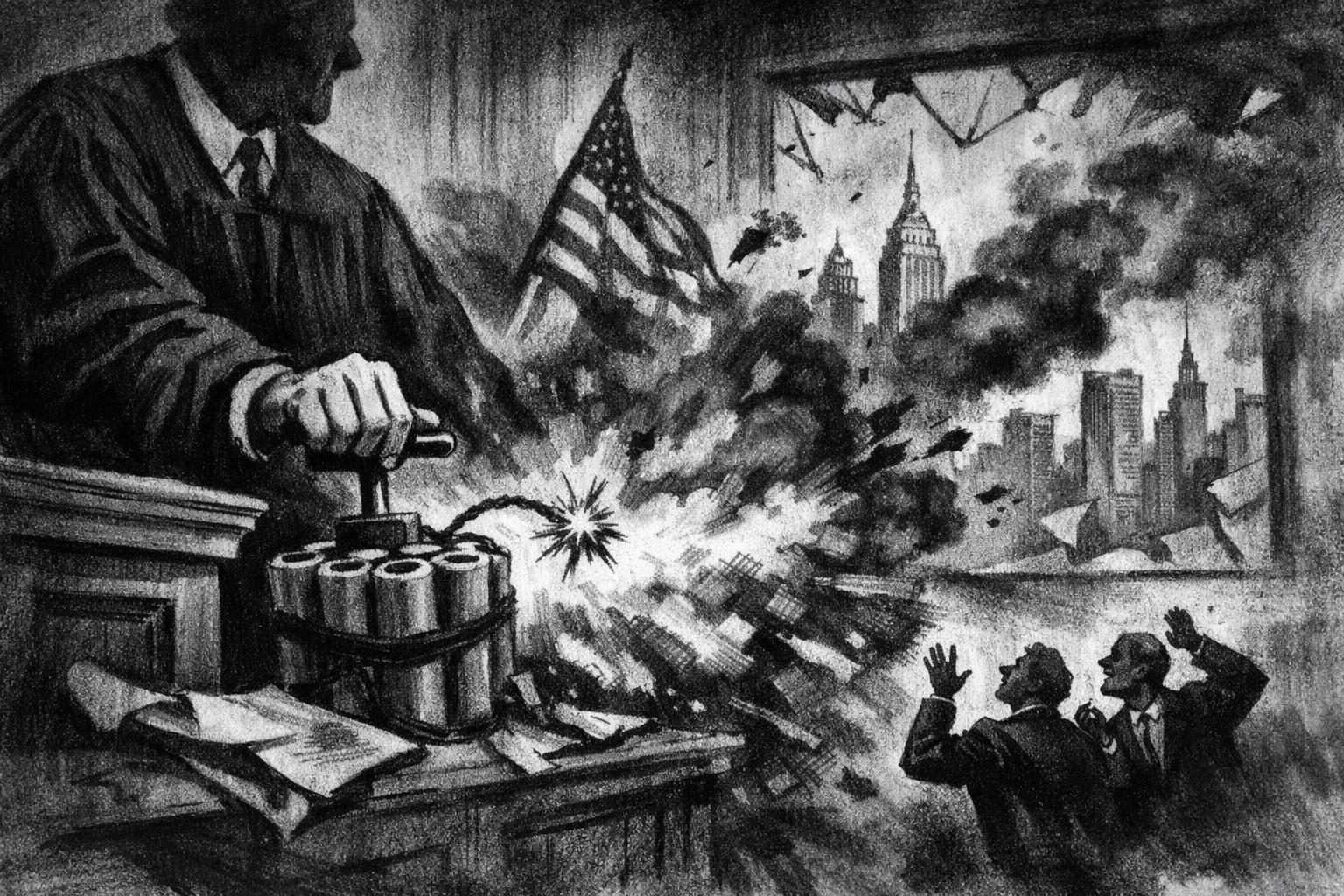
A federal judge in New York has blocked the state’s Climate Change Superfund Act, dealing a sharp setback to one of the country’s most ambitious attempts to make major fossil-fuel companies pay for climate-related costs. The ruling landed on Monday and immediately gave energy companies, and the Trump administration, a major legal victory. At its core, the decision says New York went too far in trying to assign liability for climate harms through a state law that the court found could not survive federal preemption and constitutional limits on state involvement in foreign affairs. In practical terms, that means Albany’s effort to create a new way to recover billions of dollars from fossil-fuel companies is now on hold, and perhaps more vulnerable than supporters had hoped. It also adds another obstacle for states that have been looking for ways to act where Washington has moved slowly or not at all.
The Climate Change Superfund Act was designed to shift a share of the state’s climate-related expenses onto companies linked to the emissions problem, with the idea that polluters should help pay for the damage their products have helped cause. Supporters framed it as a straightforward accountability measure, one that would force the biggest contributors to climate change to bear a portion of the costs that fall on taxpayers and communities. Opponents saw something very different: a state-level attempt to impose a kind of carbon liability scheme that, they argued, collided with federal authority and risked creating a patchwork of conflicting rules. The court sided with that view, concluding that the law could not stand because Congress had already occupied the field in ways that barred New York from proceeding on its own terms. The opinion also pointed to the Constitution’s foreign-affairs limits, a reminder that climate regulation can become entangled with issues far beyond a statehouse. For the fossil-fuel industry, the ruling is likely to be celebrated as a sign that aggressive state climate experiments remain legally fragile.
The Justice Department moved quickly to claim the decision as validation of the administration’s broader effort to resist state laws that try to impose climate-related financial burdens on energy companies. A statement of interest filed by the department backed the challengers, and the ruling gives the administration fresh ammunition in its argument that states should not be allowed to invent their own methods for making producers pay for climate damages. That posture is consistent with a broader campaign that has been presented as a push for energy affordability and regulatory restraint, but which climate advocates say functions in practice as a protective shield for the biggest carbon emitters. The administration is likely to use the ruling as evidence that legal challenges to state climate laws can succeed, especially when those laws reach beyond traditional state regulation and into areas touching interstate commerce or foreign policy. For New York, the loss is more than symbolic. It weakens a flagship policy and raises the odds that any future attempt to build a similar system will be met with immediate litigation. It also signals to other states that have been exploring similar ideas that they should expect a costly and uncertain fight if they try to move ahead.
The broader significance of the case reaches beyond one statute or one state. New York’s law had been closely watched because it was one of the clearest examples of a blue-state effort to fill a policy vacuum left by the federal government. If state leaders cannot find a durable way to make polluters contribute to climate costs, then the burden of response continues to fall on public budgets, local governments, and residents already dealing with flooding, heat, and other climate-driven damage. That is why the ruling is likely to matter well past the immediate parties in the case. It may discourage lawmakers elsewhere from adopting similar measures, or at least encourage them to draft narrower versions that are less exposed to preemption claims. At the same time, supporters of climate accountability will almost certainly argue that the decision proves the need for Congress to act, since state-by-state experimentation can be blunted by legal challenges before it has a chance to scale. For now, though, the message from the courthouse is blunt: when a state tries to make fossil-fuel companies pay for climate damage in a way that reaches too far, the courts may step in and shut it down.
Comments
Threaded replies, voting, and reports are live. New users still go through screening on their first approved comments.
Log in to comment
No comments yet. Be the first reasonably on-topic person here.