
EPA finalizes another major chemical-rule rewrite, keeping industry on a compliance treadmill
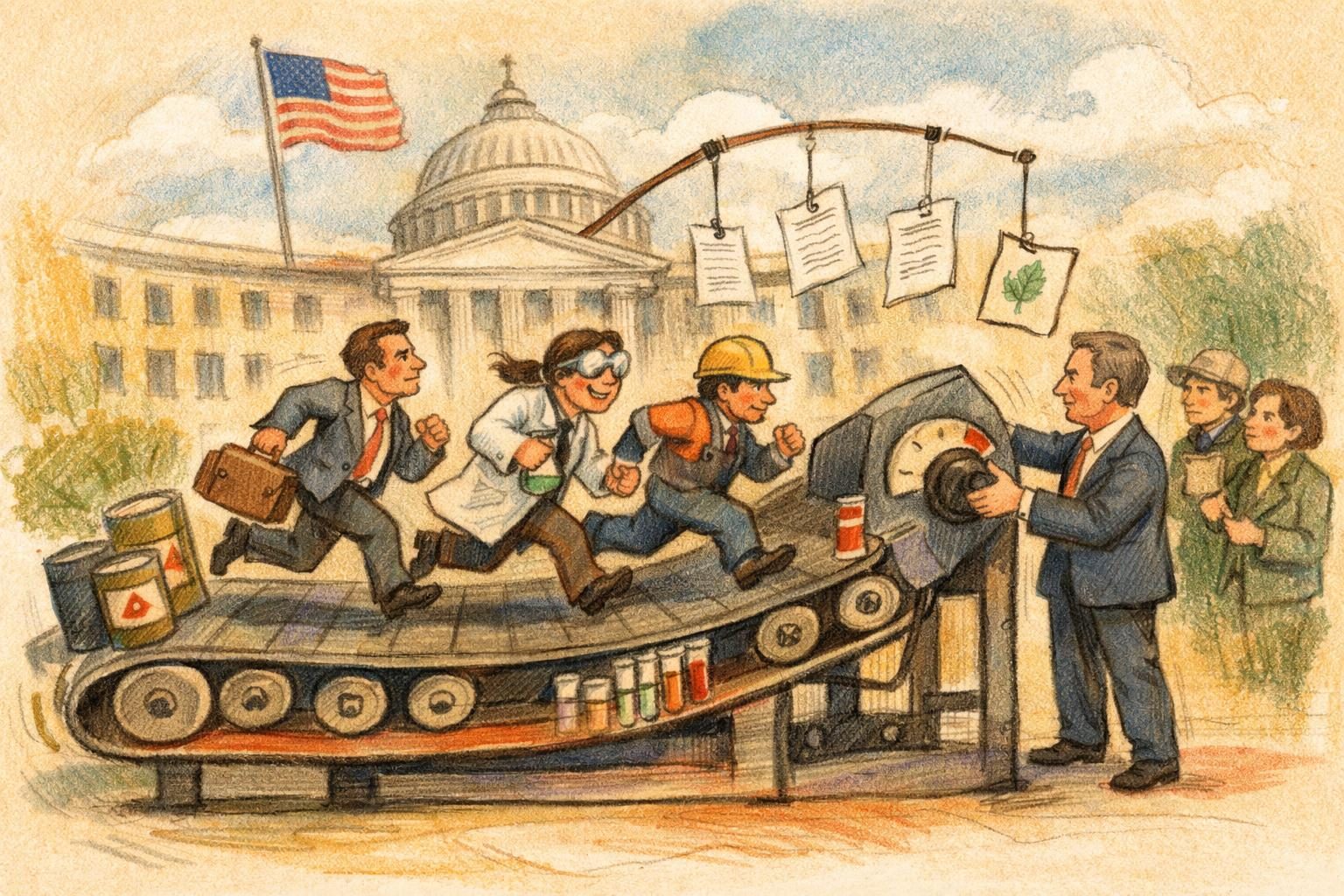
The Environmental Protection Agency used September 28 to push out yet another final rule, adding a fresh layer to the Trump administration’s ongoing rewrite of chemical and environmental policy. On its face, the notice is the sort of dense Federal Register material that most people will never read voluntarily. In practice, though, these are the documents that decide whether companies must spend millions on controls and reporting, whether agencies are taking pollution seriously, and whether the federal government is tightening safeguards or quietly loosening them. The latest action fits a familiar pattern: the administration keeps reopening rules, revising prior decisions, and revisiting chemical-risk requirements instead of leaving the old framework in place. That may look like housekeeping from a distance, but for regulated industries and communities living with pollution, it feels more like permanent motion than settled policy. Companies get more time, but they also get more uncertainty, because every new rewrite can reset assumptions that were just starting to harden into plans.
That uncertainty is not a side effect so much as the central feature of this regulatory era. Businesses usually want clear compliance deadlines, predictable enforcement, and enough lead time to budget for changes in equipment, reporting, testing, and legal review. Environmental advocates want the opposite of delay: firm standards, swift implementation, and rules that actually move pollution controls from paper to pavement, pipe, and plant floor. The EPA’s recent pattern of chemical-rule revisions puts those goals in direct tension. Each revision can alter the cost curve for industry, but it can also slow the pace at which public-health protections reach workers, families, and nearby neighborhoods. The agency may frame the changes as pragmatic or technical, but the larger effect is to keep the regulated sector on a treadmill, constantly adjusting to a moving target. That may be manageable for large firms with teams of lawyers and consultants, but it is harder for smaller operators and for communities that do not have much leverage in the process.
What makes this particular final rule important is not any single line of regulatory prose, but the broader signal it sends about how the administration intends to govern. The EPA is not simply preserving inherited policy and applying it consistently; it is reworking the underlying approach to chemical risk, compliance obligations, and enforcement posture. That has consequences far beyond the immediate rulemaking docket. Every time the agency revises a requirement, it can affect the timing of investments in pollution-control technology, the structure of internal compliance programs, and the assumptions that companies make when they decide whether to expand, delay, or restructure operations. It also affects the public sector, because state regulators, local agencies, and inspectors often have to adjust to the federal government’s latest move. A rule that was supposed to bring stability can end up creating another round of legal and administrative churn. And while industry may welcome extra runway in the short term, no one likes to build a business plan on the assumption that the target will change again next quarter.
The political significance is just as clear as the practical one. Environmental regulation often becomes most consequential not when leaders announce sweeping visions, but when they quietly alter implementation details through final rules, technical revisions, and compliance schedules. Those are the places where policy can be tightened, weakened, delayed, or effectively redirected without a big speech attached. That is why the current wave of EPA action is drawing attention from both sides of the debate. Supporters of the administration’s approach are likely to argue that the agency is correcting overreach and reducing unnecessary burdens. Critics will say it is turning regulation into a source of chronic instability and using that instability to weaken protections that were meant to keep air and water safer. The truth may be messier than either slogan suggests, but the direction of travel is obvious enough: more revision, more delay, and more pressure on the systems that are supposed to translate environmental law into real-world safeguards. The only question is how much of this latest rewrite survives scrutiny, how it is implemented on the ground, and whether the next Federal Register notice arrives before companies have finished digesting this one.
Comments
Threaded replies, voting, and reports are live. New users still go through screening on their first approved comments.
Log in to comment
No comments yet. Be the first reasonably on-topic person here.