
Administration loosens fuel economy rules again
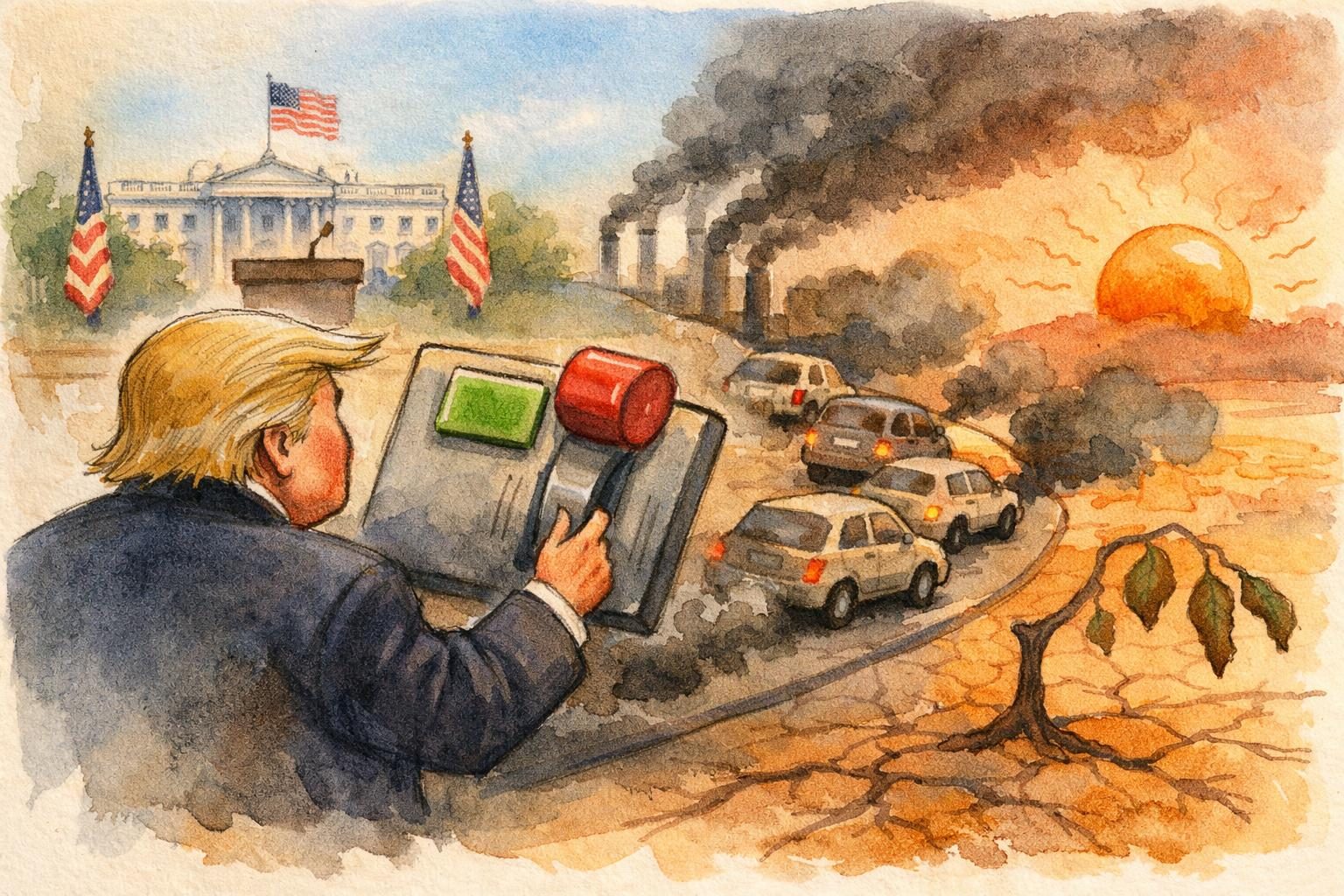
The Trump administration on Monday moved to loosen fuel economy standards for cars and light trucks, taking a fresh swing at rules that have long been central to efforts to reduce pollution from the transportation sector. The change is not just symbolic. It would ease the pressure on automakers to keep improving mileage and cutting emissions from gasoline-powered vehicles, which remain one of the largest sources of greenhouse gases in the United States. By softening the requirements now, the administration is effectively deciding that near-term relief for industry is worth the long-term environmental cost. That tradeoff is exactly why the decision drew immediate criticism from climate advocates and public-health groups. They see it as another step away from cleaner transportation at a time when the need to cut emissions has only become more urgent.
The administration has been casting the revision as a practical reset, arguing in effect that the rules were too restrictive and too costly for manufacturers and consumers. But the policy change carries consequences that do not show up neatly in a talking point or a briefing memo. Fuel economy standards shape the vehicles automakers design, build, and sell for years, which means a weaker rule today can influence the fleet on the road well into the future. That matters because the emissions from those vehicles are cumulative, and every extra gallon of gasoline burned adds more planet-warming pollution to the atmosphere. Critics say the administration is ignoring that basic reality in favor of a political message about affordability and common sense. The White House may want to frame the move as a consumer-friendly adjustment, but opponents argue that lower standards mostly amount to permission to keep selling more polluting cars and trucks for longer.
This latest rollback also fits a broader pattern in the administration’s approach to environmental policy. Again and again, the White House has treated climate regulation less as a public-interest tool and more as an obstacle to be dismantled. That has shown up not only in moves affecting fuel economy, but also in the administration’s general hostility to policies that push the market toward electric vehicles and cleaner technology. The result is a governing strategy that favors fossil-fuel convenience and industrial flexibility over emissions reductions. Supporters of the change may say the government is simply giving automakers more room to adapt and consumers more choice in the market. But choice is a complicated word here, because the market is heavily shaped by the rules government sets. When standards are weakened, the path of least resistance usually becomes the path the industry takes. That is why climate advocates see the rule as far more than a technical update. They see it as a signal that the administration is willing to slow the transition to cleaner transportation even as the costs of inaction grow more obvious.
The political timing only sharpens the stakes. The announcement lands in an election-season environment where energy costs, industrial policy, and climate politics are all colliding, and each side is likely to use the rule as evidence for its larger argument about the economy. The administration is betting that it can sell the change as a win for workers, automakers, and consumers who are tired of mandates that sound abstract and expensive. Its critics are betting the opposite: that once people understand the scale of the pollution implications, the move will look less like common-sense regulation and more like a deliberate step backward. There is also a real question about how much staying power such a change will have if the political winds shift again, since fuel economy rules have often been revised, challenged, and rewritten across administrations. For now, though, the message from the White House is clear enough. The government is willing to ease the standards, even if that means more carbon in the air and less pressure on the auto industry to move faster toward cleaner technology. That is why the reaction has been so immediate and so sharp. On paper, it is a regulatory adjustment. In practice, it is another climate rollback with consequences that will outlast the press release.
Comments
Threaded replies, voting, and reports are live. New users still go through screening on their first approved comments.
Log in to comment
No comments yet. Be the first reasonably on-topic person here.