
Senate Intelligence schedules a closed briefing while the surveillance-state vibes stay high
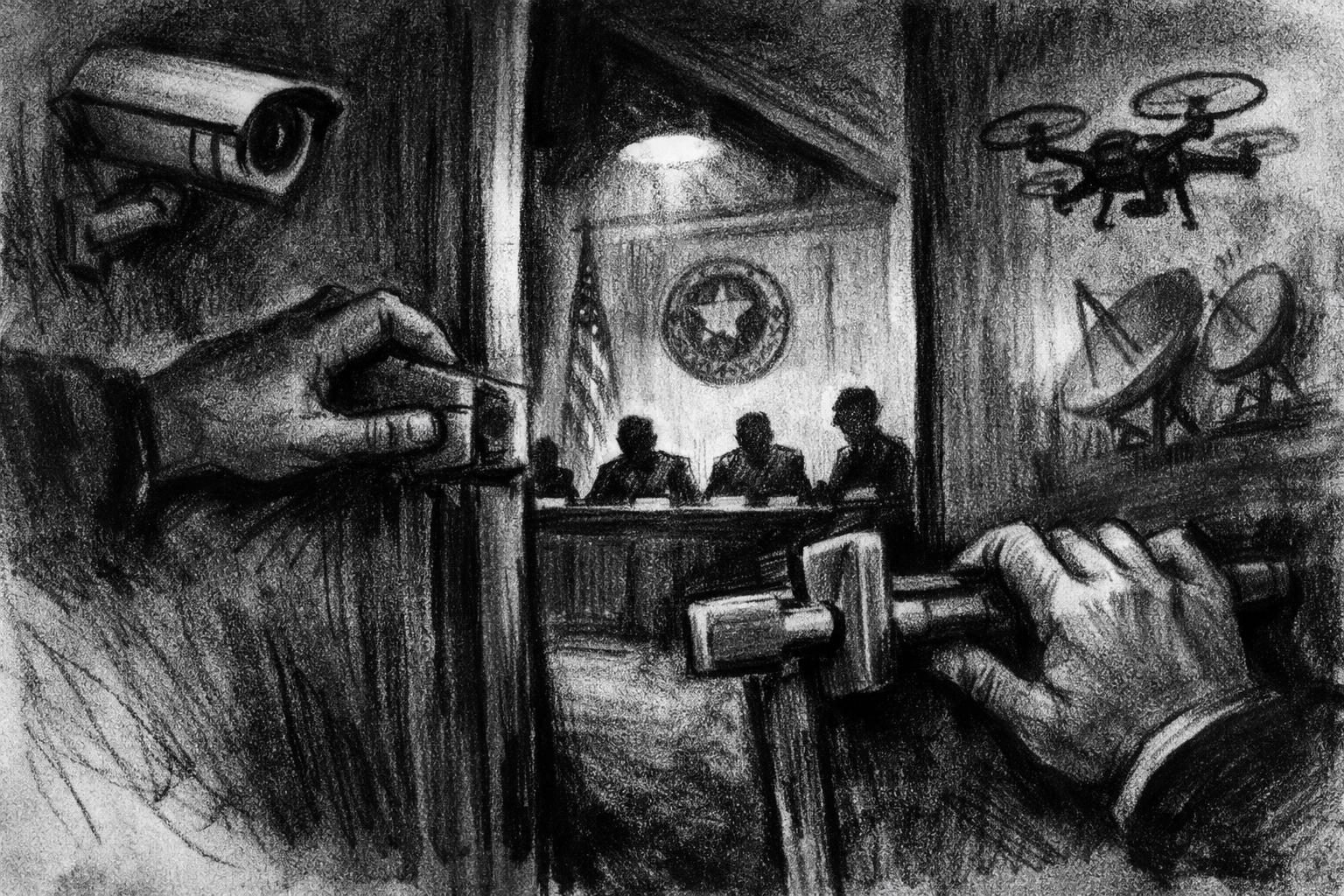
The Senate Intelligence Committee has a closed briefing on its calendar for September 29, and the fact that it is closed is the first clue that something consequential is being discussed, even if nobody is saying what it is yet. Closed briefings are a routine part of the national-security calendar, but they are never just routine in the political sense. They are where lawmakers are supposed to get the kind of information that cannot be handled in an open hearing, whether because the details are classified, the matter is operationally sensitive, or the executive branch would rather keep the room small while explaining itself. In a normal political climate, that would be enough to make the meeting worth noting. In this one, it lands in a country where surveillance, secrecy, and the limits of executive power are all already loaded with suspicion.
That matters because intelligence oversight is not merely ceremonial. It is one of the few formal mechanisms Congress has to check whether the national-security apparatus is functioning within its legal and constitutional boundaries, and it only works if senators treat the process as more than a box-checking exercise. A closed briefing can cover a lot of ground without producing a public trail, which is exactly why it can be useful and exactly why it can be frustrating. Lawmakers may be asking about an operation, a policy dispute, a legal interpretation, or some internal problem that has not yet become visible outside the secure room. At this stage, there is no public allegation tied to this particular briefing, so there is no reason to treat it as a scandal. Still, the existence of the meeting is a reminder that the most important questions in national security often start out as questions the public is not allowed to hear.
The broader political atmosphere makes that dynamic harder to ignore. The administration is already operating in a climate where national-security messaging carries extra weight, and where internal control, border enforcement, foreign policy, and surveillance questions all overlap in politically combustible ways. That means even an ordinary closed-door session can take on added significance, because people outside the room are left to wonder what kind of issue requires secrecy now. Sometimes the answer is mundane, involving routine updates that cannot be discussed publicly without compromising sources or methods. Sometimes the answer is more uncomfortable, involving mistakes, overreach, or unresolved legal concerns that officials do not want litigated in public before they are managed behind the scenes. The public does not know which category this briefing falls into, and that uncertainty is part of what gives it political force. In an environment this charged, silence is rarely taken at face value.
For critics of executive overreach, the real test is not whether the committee meets behind closed doors, because that part is baked into the job. The question is whether senators use the briefing to press for answers that are specific, credible, and accountable, or whether the exercise becomes a polished form of institutional theater. Oversight can sometimes look serious while producing very little, especially when the public is barred from seeing the exchange and only a narrow summary, if any, eventually becomes available. That is why these meetings matter even when they do not produce immediate headlines. They can be the place where lawmakers first learn that something is off, or they can be the place where concerns are absorbed, normalized, and quietly managed away. For now, all that is visible is the calendar entry, the secrecy surrounding it, and the familiar tension between what Congress is supposed to supervise and what the executive branch prefers to keep hidden. Staff will prepare, senators will be briefed, and the rest of the country will wait for whatever follows, which may be accountability, clarification, or simply another carefully contained shrug.
Comments
Threaded replies, voting, and reports are live. New users still go through screening on their first approved comments.
Log in to comment
No comments yet. Be the first reasonably on-topic person here.