
Trump customs order pushes importer vetting, bonding and disclosure rules into rulemaking
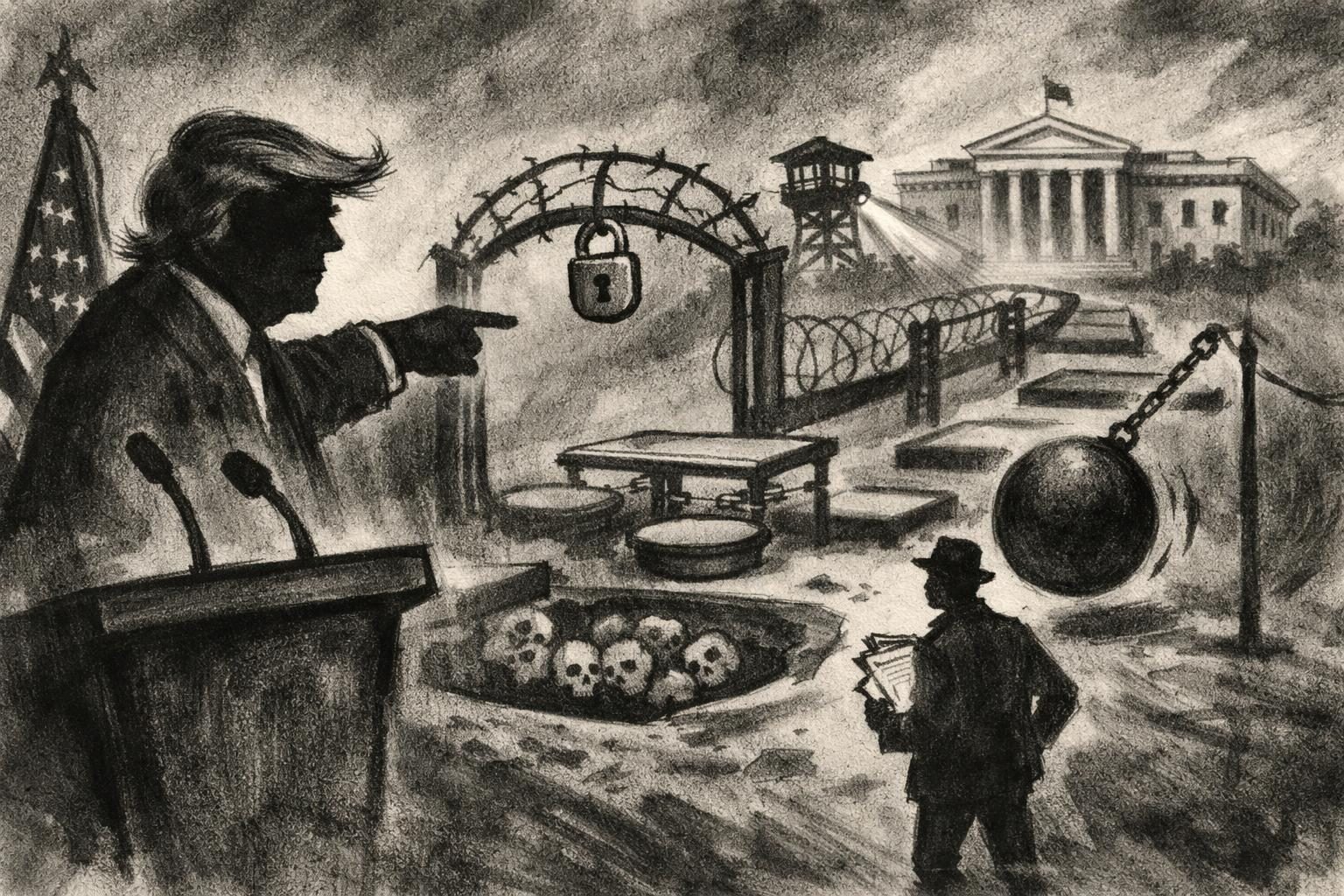
President Donald Trump signed a customs-enforcement order on June 3, 2026, but the White House says the changes it calls for will not start immediately. Instead, the administration says DHS and Customs and Border Protection will develop the new requirements through the ordinary rulemaking process. ([whitehouse.gov](https://www.whitehouse.gov/fact-sheets/2026/06/fact-sheet-president-donald-j-trump-strengthens-customs-enforcement/?query-11-page=113&utm_source=openai))
The White House says the order is aimed at importers of record and the supply chain around them. Its fact sheet says the directives include tighter bonding rules, vetting for people and entities tied to importing, a good-standing requirement, and new disclosure and certification demands intended to curb duty evasion and other customs violations. The administration also says it wants stronger penalties, expanded seizure-and-disposal authority for noncompliant imports, and annual transparency reporting. ([whitehouse.gov](https://www.whitehouse.gov/fact-sheets/2026/06/fact-sheet-president-donald-j-trump-strengthens-customs-enforcement/?query-11-page=113&utm_source=openai))
The timing is the part that matters most for anyone trying to plan around it. The White House says the customs changes will be phased in through rulemaking, not imposed as a same-day operating shift at the ports. That means the order is a policy direction for future regulations, not an immediate rewrite of clearance rules. ([whitehouse.gov](https://www.whitehouse.gov/fact-sheets/2026/06/fact-sheet-president-donald-j-trump-strengthens-customs-enforcement/?query-11-page=113&utm_source=openai))
The customs order arrives just after a separate White House action on metals. On June 1, 2026, the administration issued a proclamation adjusting tariffs on aluminum, steel and copper imports. The White House says the tariff changes are effective for covered goods entered for consumption or withdrawn from warehouse for consumption on or after June 8, 2026. ([whitehouse.gov](https://www.whitehouse.gov/fact-sheets/2026/06/fact-sheet-president-donald-j-trump-updates-tariffs-on-steel-aluminum-and-copper-imports/?utm_source=openai))
Read together, the two moves point in the same direction: higher scrutiny at the border and more cost pressure on covered imports. One action sets up new customs compliance rules that are still headed through rulemaking. The other sets a specific effective date for tariff changes already on the calendar. ([whitehouse.gov](https://www.whitehouse.gov/fact-sheets/2026/06/fact-sheet-president-donald-j-trump-strengthens-customs-enforcement/?query-11-page=113&utm_source=openai))
For importers, the immediate takeaway is not that every rule changed overnight. It is that Washington has put more weight on enforcement, documentation and domestic ties in the import process, while giving businesses time to adjust before the customs package becomes binding. ([whitehouse.gov](https://www.whitehouse.gov/fact-sheets/2026/06/fact-sheet-president-donald-j-trump-strengthens-customs-enforcement/?query-11-page=113&utm_source=openai))
Comments
Threaded replies, voting, and reports are live. New users still go through screening on their first approved comments.
Log in to comment
No comments yet. Be the first reasonably on-topic person here.