
Trump Signs Customs Order Tightening Importer Rules
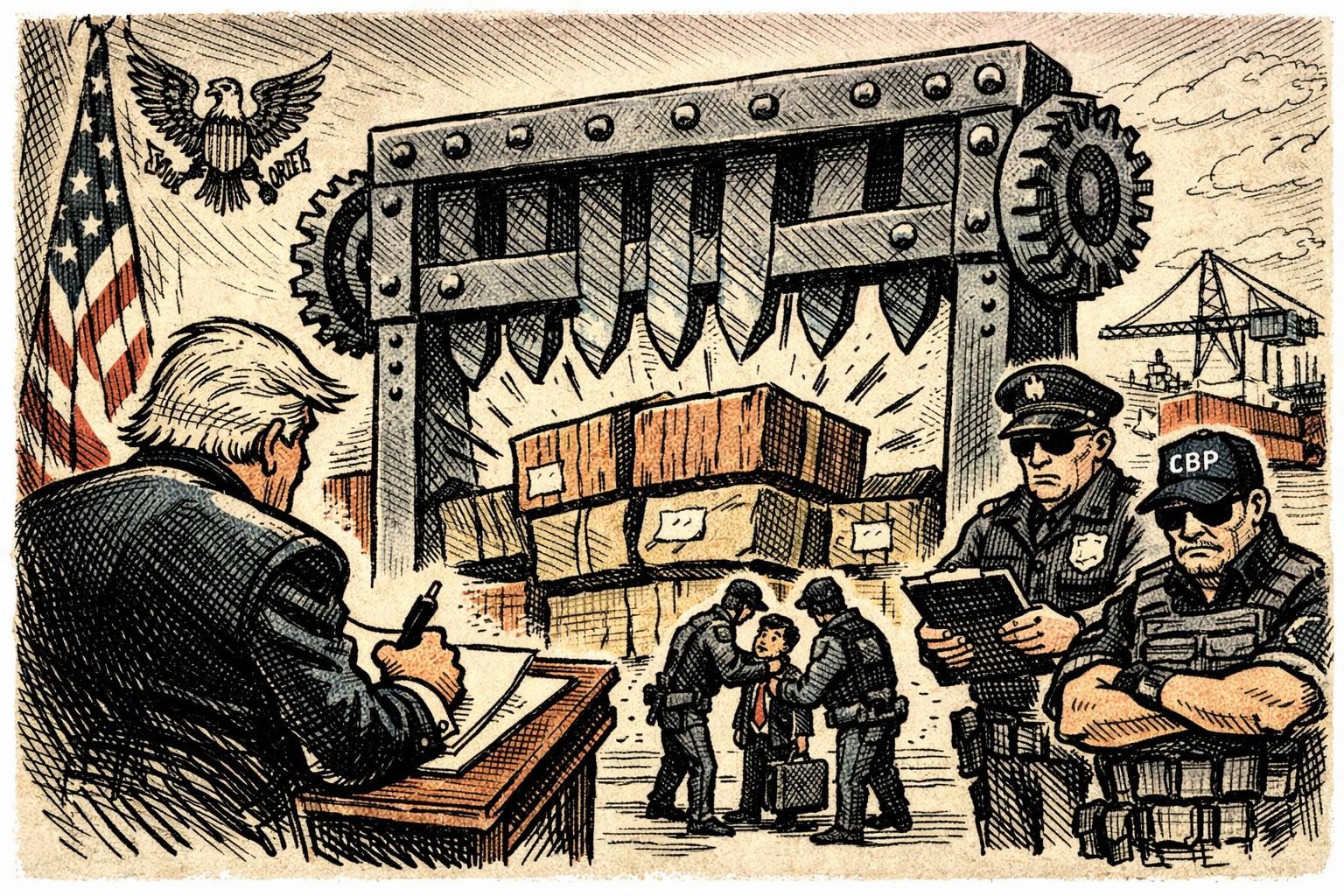
President Trump signed an executive order on June 3 directing the Department of Homeland Security and U.S. Customs and Border Protection to strengthen customs enforcement through a broader set of importer rules and penalties. The White House says the order is meant to curb duty evasion, improve compliance with supply-chain rules, and push customs policy toward what it describes as a more accountable system for importers of record.
The fact sheet says DHS and CBP are being told to raise bonding requirements, require importers of record to maintain a minimum level of tangible domestic assets, bonding, or both, impose heightened formal-entry requirements on foreign importers of record, limit informal entry to U.S. importers, add a good-standing requirement, and increase vetting for people and entities involved in importing. It also says the agencies will develop disclosure and certification requirements aimed at customs fraud and noncompliance, and that they should increase enforcement of existing customs laws, including through a 50% minimum penalty floor that would limit CBP’s ability to reduce certain assessed penalties.
The order does not take all of those changes into effect immediately. The White House says DHS and CBP will go through the standard rulemaking process, giving affected companies a chance to adjust operations before the reforms are implemented. That matters because the changes are not just aimed at sham importers or duty cheats; they could also affect brokers, freight handlers, manufacturers, and other businesses that depend on predictable entry procedures and fast-moving supply chains.
The administration is presenting the move as a customs integrity push, not a one-off enforcement stunt. The fact sheet ties it to earlier steps on duties and de minimis treatment and says the goal is to modernize customs systems, strengthen compliance mechanisms, and improve the collection of duties. The separate White House tariff action on steel, aluminum, and copper underscores that the administration is layering customs and tariff policy together rather than treating them as separate tracks.
What happens next will depend on how DHS and CBP write the rules. The order gives them broad directives, but the practical details — including how to define good standing, how much domestic assets or bonding is enough, and how aggressively to police foreign importers of record — will determine whether the new regime operates as a cleaner enforcement tool or as another source of delay and compliance cost for legitimate trade.
Comments
Threaded replies, voting, and reports are live. New users still go through screening on their first approved comments.
Log in to comment
No comments yet. Be the first reasonably on-topic person here.