
Trump’s customs crackdown is built to squeeze importers, but not overnight
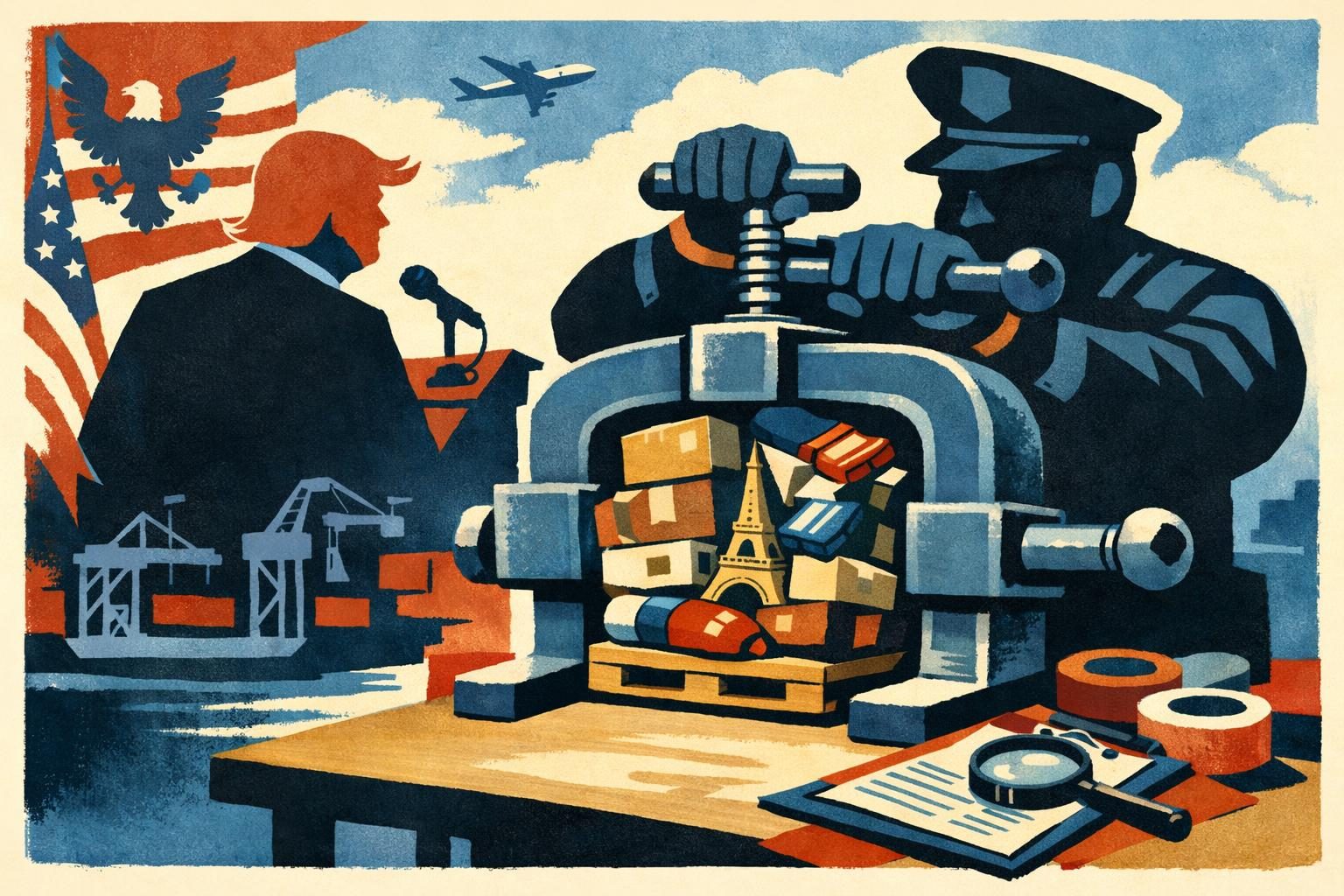
President Donald Trump’s June 3 customs executive order is another sign that his trade agenda is moving beyond tariffs and deeper into day-to-day enforcement. The White House says the order is meant to strengthen customs laws, reduce duty evasion, and tighten the rules around who can bring goods into the United States. It directs the Department of Homeland Security and Customs and Border Protection to pursue higher bonding requirements, stronger vetting, more disclosure, and added certification obligations for some importers.
That is a tougher posture on paper, but the administration says the changes will not take effect immediately. DHS and CBP are expected to carry them out through the normal rulemaking process, which matters because it means the order is not the same thing as an instant operational shake-up at the ports. Even so, the direction is clear: Washington wants more leverage over the companies that move goods through the system, and it wants more documentation and more scrutiny before entries clear.
The political pitch is easy enough to see. The White House can cast the order as an anti-fraud move, a way to make sure duties are paid and evasions are harder to pull off. There is nothing unusual about customs enforcement being used to stop real abuse. The risk comes when broad compliance rules land on businesses that are not cheating but still have to absorb more paperwork, more legal review, and more uncertainty about how the rules will be applied once the agencies write them out.
That is why the implementation detail matters. A rulemaking process leaves room for comment, delay, and revision. It also means the practical effect will depend on what DHS and CBP ultimately write, not just on the language in the White House fact sheet. For now, the order signals intent more than immediate disruption. It tells importers that the administration wants a tighter system, but it does not by itself prove that shipments are already slowing or that clearance is already becoming more difficult.
The customs move also fits into a wider trade pattern. On June 1, Trump issued a separate proclamation adjusting tariff regimes for imports of aluminum, steel and copper. Put together, the June 1 and June 3 actions show an administration trying to stack tariff policy and customs enforcement on top of each other. That is a more complicated trade architecture, and it asks importers to track duty rates, origin rules, bonding standards, documentation demands and policy timelines at the same time.
The result may be a stronger enforcement posture, but it is also a more demanding one for the companies that rely on predictable border rules. Trump can present that as toughness. Businesses will experience it as another layer of compliance risk that has to be managed, priced and, in some cases, fought over before a shipment ever reaches the market.
Comments
Threaded replies, voting, and reports are live. New users still go through screening on their first approved comments.
Log in to comment
No comments yet. Be the first reasonably on-topic person here.