
DOJ’s Denaturalization Drive Keeps Casting Citizenship as a Target
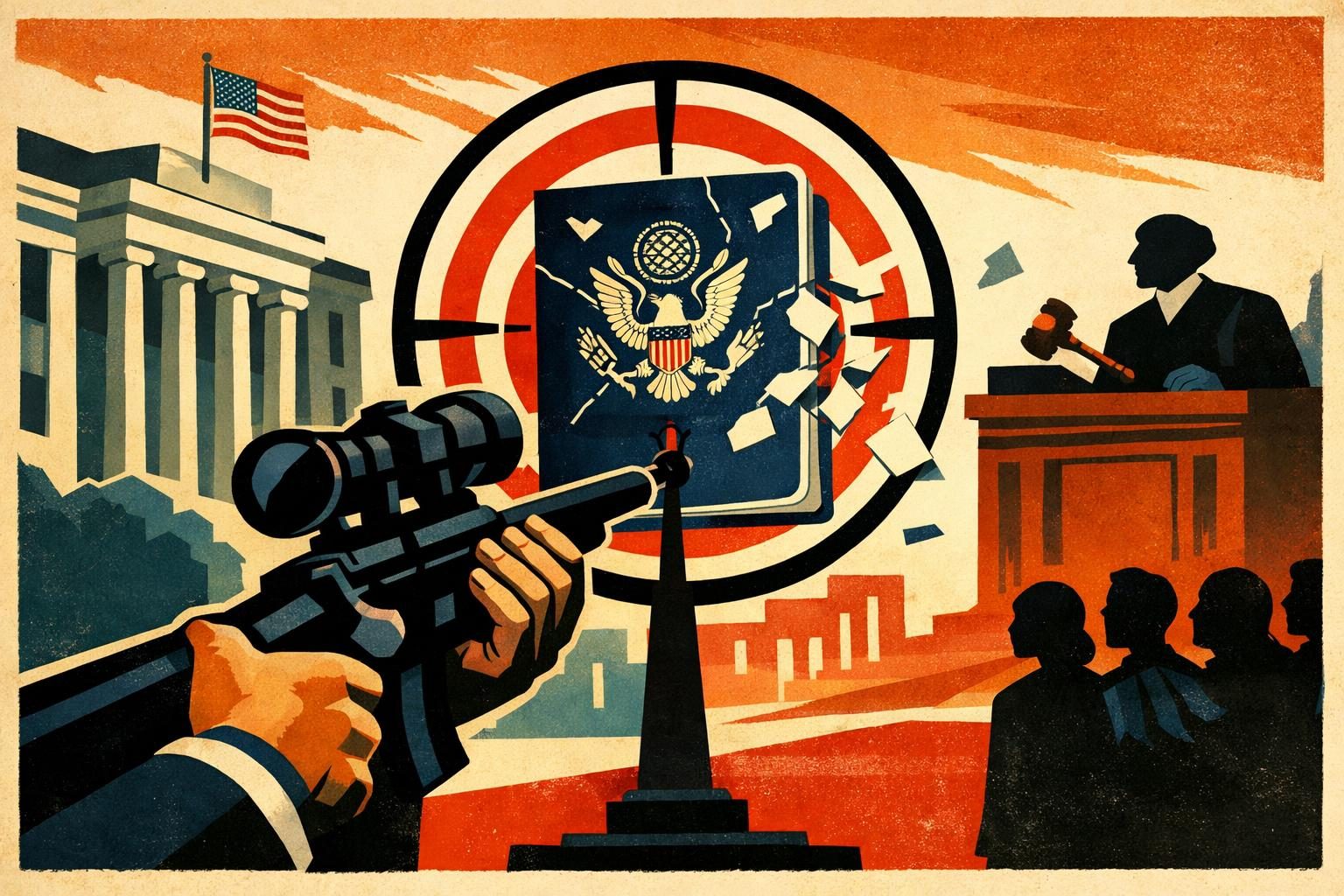
On July 20, 2026, the Justice Department said it had filed 10 civil denaturalization actions over the prior month, targeting naturalized citizens the government says concealed disqualifying conduct or lied during the immigration process. The department said the cases involve accusations tied to child sexual abuse, immigration fraud, wire fraud, health care fraud and cocaine trafficking. None of the filings is a finding of liability. Citizenship does not change because DOJ announces a case; it changes, if at all, only if a court grants the government’s request.
That distinction is the one thing the release gets exactly right. These are civil cases, not judgments. The government still has to prove that a person obtained citizenship unlawfully through fraud, concealment or another material misrepresentation. A complaint is an allegation. It is not a verdict, and it is not a revocation order.
Still, the department’s framing was more than a routine docket note. The announcement said the effort was part of restoring integrity to the naturalization process and tied the work to President Trump’s leadership. That language turns a set of pending cases into a political message as well as a legal one. The substance is a law-enforcement claim. The presentation is also an exercise in signaling.
Naturalized Americans are subject to the same criminal and civil laws as anyone else, and serious fraud allegations deserve serious scrutiny. But the government’s rhetoric matters because denaturalization is an extraordinary remedy. When DOJ puts that remedy in front of the public as a showcase of toughness, it risks blurring the line between accusation and proof. The record still has to be made in court. Until then, the only thing revoked is certainty.
Comments
Threaded replies, voting, and reports are live. New users still go through screening on their first approved comments.
Log in to comment
No comments yet. Be the first reasonably on-topic person here.