
Trump’s Canada Tariff Escalation Is a Self-Inflicted Trade Tax
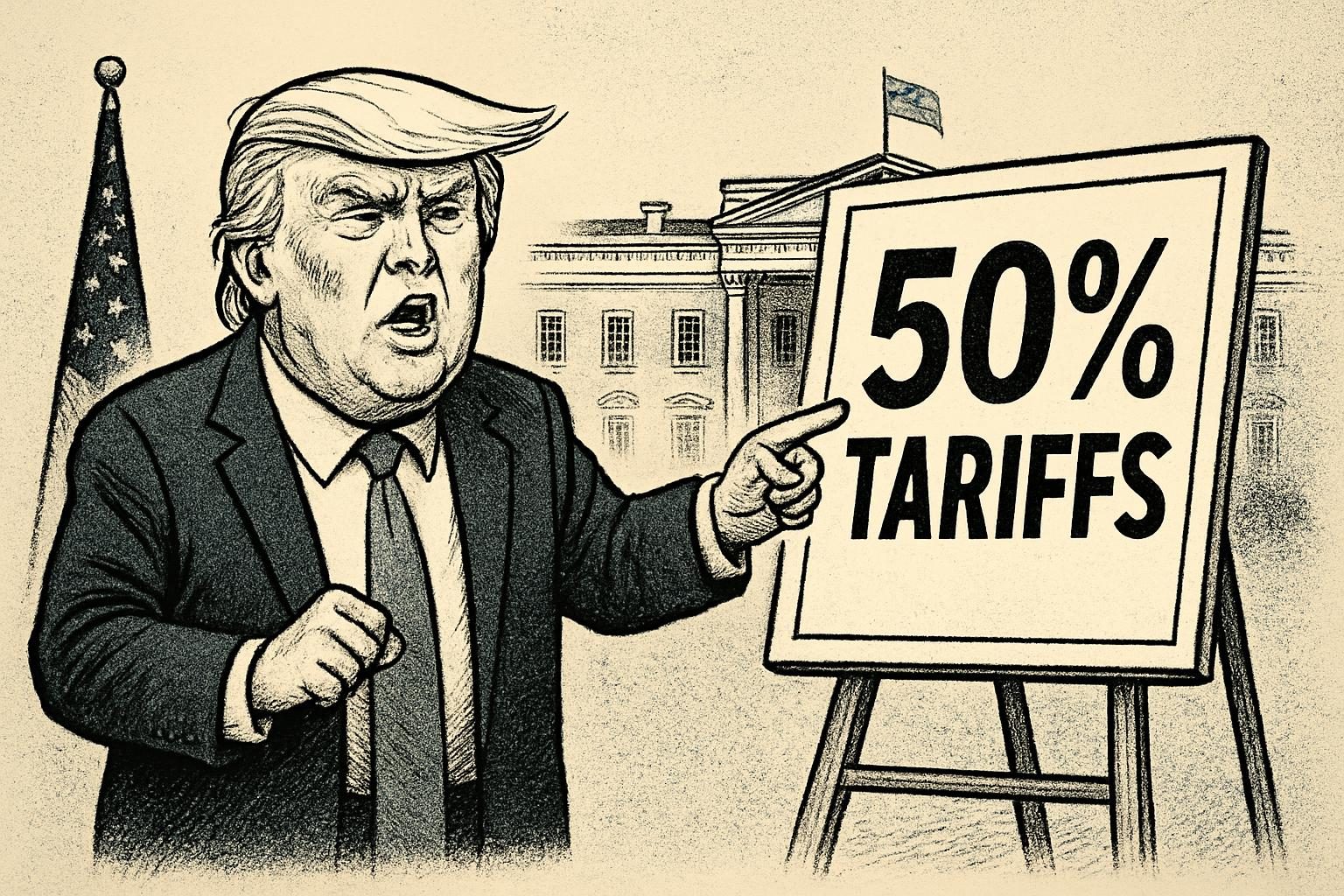
The White House just turned a noisy trade feud with Canada into a much pricier one. On July 20, President Donald Trump signed a set of proclamations and a fact sheet announcing new 50% duties on selected Canadian goods, with the first wave set to begin August 19, 2026. The administration says the target is Canadian discrimination against American commerce in sectors including motor vehicles, alcoholic beverages, and dairy. It is not presenting this as a minor adjustment or a technical fix. It is a deliberate escalation aimed at one of the United States’ most tightly linked trading partners, and it is doing so with the full weight of presidential tariff power behind it.
The mechanics matter here, because they make the policy more than just a political gesture. The White House says the new duties will apply only to specific product categories rather than to all Canadian imports, but it also says some of those covered goods can face the higher tariff even if they would otherwise qualify for preferential treatment under the U.S.-Mexico-Canada Agreement. That is the kind of detail that instantly sends companies into damage-control mode. Importers have to sort out customs classifications, manufacturers have to check supply contracts, and logistics teams have to figure out which shipments may suddenly carry a much larger tax bill. The administration also carved out some categories, including energy, potash, fish, critical minerals, and certain goods already covered by other Section 232 measures, but the carve-outs do not remove the sting. They just make the map more complicated, which means more legal review, more uncertainty, and more room for error. Businesses do not get a clean rule set here; they get a moving target with a giant price tag attached.
That is why this looks less like a precision trade measure and more like a self-inflicted tax dressed up as toughness. Tariffs are not paid by some abstract foreign bogeyman in a press release. They are paid somewhere in the chain, whether through squeezed margins, renegotiated contracts, higher input costs, or final prices that show up where ordinary people actually shop. Even when a tariff is narrowly targeted, it can still ripple through a deeply integrated supply network, because companies rarely buy or sell in neat, isolated boxes. Canadian and American commerce is not some side project; it is routine, embedded, and constant, especially in industries that move parts and finished goods back and forth across the border. If Ottawa answers with retaliation, the mess gets bigger. If Ottawa holds back, U.S. businesses can still end up absorbing the hit. Either way, somebody is paying, and the White House is betting that the economic pain will land elsewhere. That is a gamble, not a guarantee.
Politically, the move fits Trump’s favorite tariff script. It lets the administration project force, claim it is defending American workers, and frame a complex trade relationship as a simple contest of strength. That message can play well in a presidential statement, especially if the goal is to show action rather than to manage friction. But the downside is built into the policy itself. Businesses hate uncertainty, consumers hate price increases, and allies tend to notice when the United States starts treating trade rules like optional scenery. The White House documents make clear this is not just about one dispute with Canada; it is part of a broader pattern of using tariff pressure as a first-choice weapon when the administration wants leverage. The result may feel satisfying in the short term to anyone who likes the sound of a hard line. In practice, it risks creating higher costs, supply-chain headaches, and a fresh round of cross-border resentment. That is how a tariff fight starts looking less like economic strategy and more like a tax hike with better branding.
Comments
Threaded replies, voting, and reports are live. New users still go through screening on their first approved comments.
Log in to comment
No comments yet. Be the first reasonably on-topic person here.