
Trump imposes new Canada tariffs on autos, alcohol and dairy
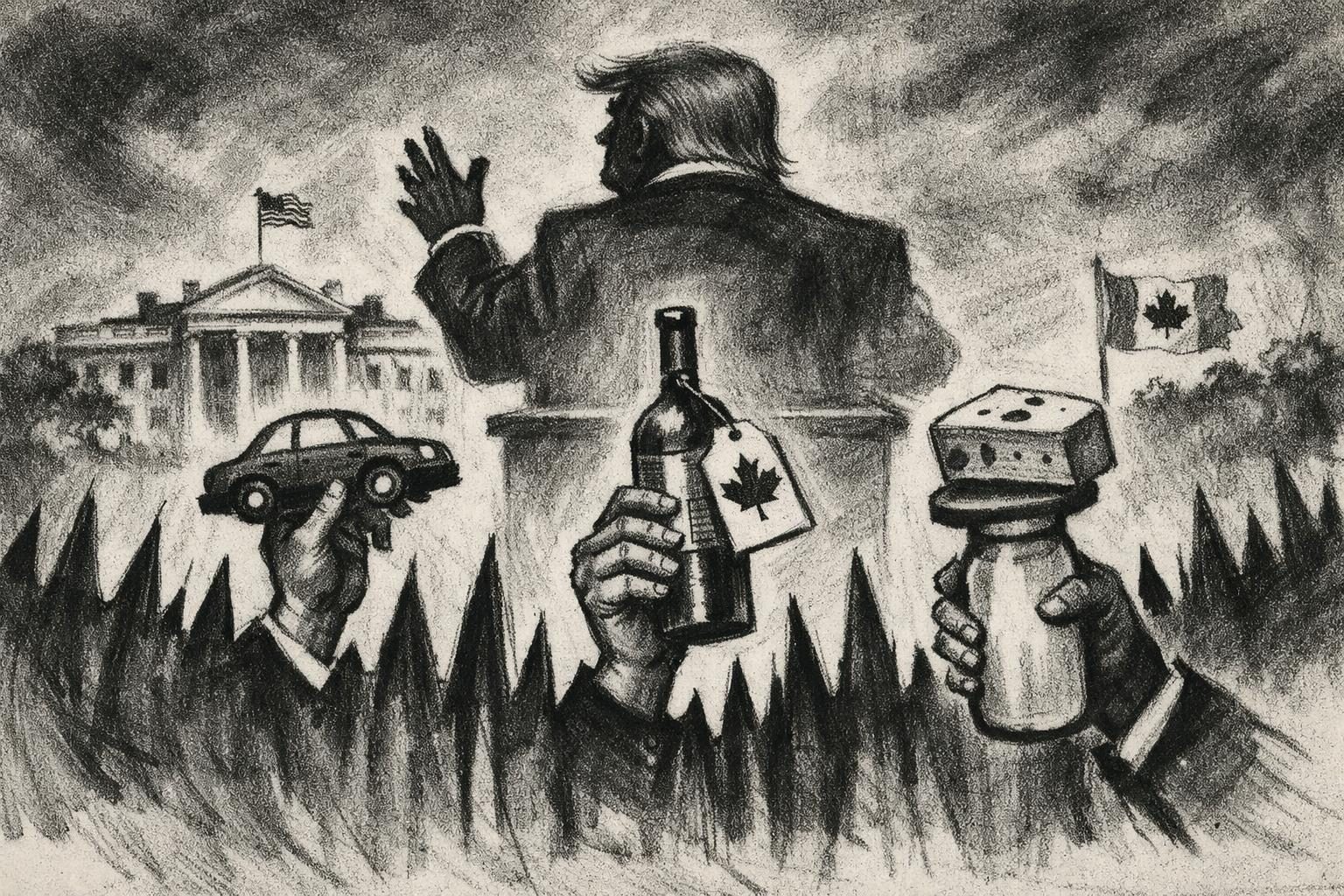
The White House on July 20 escalated its trade fight with Canada by issuing three separate proclamations under Section 338 of the Tariff Act of 1930, each aimed at a different slice of cross-border commerce: motor vehicles, alcoholic beverages and dairy. The administration says the move is meant to offset what it describes as Canadian discrimination against U.S. commerce, a claim that places the legal and political burden squarely on Ottawa while shifting the economic burden onto importers, distributors and manufacturers. According to the proclamations, the additional duties are set to take effect on Aug. 19, 2026, giving businesses only a short window to absorb the cost, reroute supply lines or renegotiate contracts. The White House also released a fact sheet saying it is imposing additional tariffs on Canada under these actions, and the U.S. Trade Representative separately issued a statement backing the move as Section 338 tariffs. In practice, the administration is not just announcing a tariff increase. It is announcing a deadline, and that deadline is what turns a political threat into a market problem.
The three proclamations are similar in purpose but distinct in coverage, which suggests a deliberate effort to widen the dispute without bundling every grievance into one broad order. One proclamation targets motor vehicles, another alcoholic beverages, and the third dairy, each framed as a response to Canadian barriers the White House says disadvantage U.S. goods and producers. Section 338 gives the president authority to impose duties on imports from a foreign country when the administration argues that country is discriminating against U.S. commerce, and that is the legal hook the White House is relying on here. On paper, the case is straightforward: Canada is accused of treating U.S. commerce unfairly, and the United States is answering with tariffs designed to offset that conduct. In the real world, though, the effect is less tidy. Businesses do not experience tariff policy as a legal theory. They experience it as a cost increase, a compliance issue and, in many cases, a scramble to protect margins before the first shipment lands under a new rate.
That is why the timing matters almost as much as the substance. The administration announced the measures on July 20, but the duties are not scheduled to begin until Aug. 19, which leaves a relatively narrow runway for companies that move goods through Canada or rely on Canadian inputs. For motor vehicle supply chains, even a modest tariff shock can ripple across parts, assembly schedules and dealer pricing. For alcoholic beverages, the effect could show up in import costs, warehouse decisions and retailer markups. For dairy, where pricing and regulatory structures are already tightly managed, the added duties may create a fresh layer of uncertainty for wholesalers and food manufacturers that use Canadian products as ingredients or finished goods. The White House is presenting the action as a show of strength, but companies on the receiving end are likely to see something much less heroic: an imposed expense with a countdown clock attached. That is often how tariff escalation works. It sounds clean in a statement, then gets messy everywhere else.
The broader political logic is just as familiar as the legal one. Trump has long treated tariffs as both leverage and theater, a way to signal toughness, punish perceived slights and force trading partners to react on his timetable. The Canada proclamations fit that pattern closely. They frame the tariffs as a corrective measure against foreign discrimination while leaving little doubt that the administration is willing to widen the confrontation if it believes the pressure will produce a better outcome. For the White House, that can be sold as decisive action. For Canada, it is another escalation point in a dispute that is increasingly being managed through duties rather than quiet diplomacy. For U.S. companies, especially those with cross-border supply chains, it is another reminder that trade policy under this administration can change quickly and with limited warning. The administration may view that as proof of resolve. But in commerce, unpredictability is not a sign of strength. It is a tax on planning. And when the policy involves autos, alcohol and dairy, the fallout can move from the customs office to the balance sheet in a matter of weeks.
Comments
Threaded replies, voting, and reports are live. New users still go through screening on their first approved comments.
Log in to comment
No comments yet. Be the first reasonably on-topic person here.