
Trump’s Canada tariffs raise the stakes in a relationship the U.S. still leans on
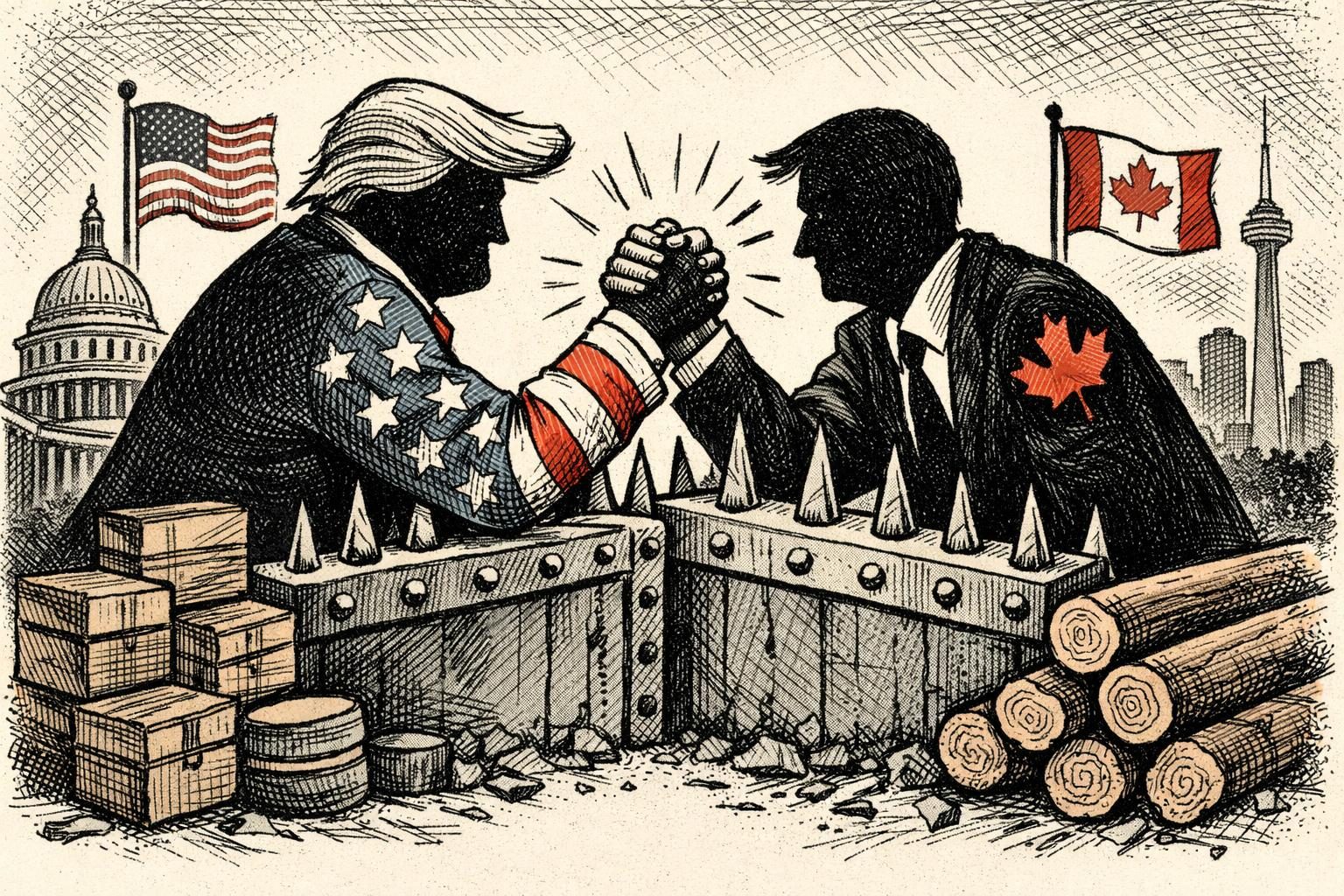
President Donald Trump signed three proclamations on July 20 under Section 338 of the Tariff Act of 1930, setting a 50% tariff on covered Canadian imports in three separate product categories. The White House said the measures target goods tied to cars, alcohol and dairy, and said the duties will begin 30 days after signing, on August 19, 2026. ([whitehouse.gov](https://www.whitehouse.gov/fact-sheets/2026/07/fact-sheet-president-donald-j-trump-imposes-additional-tariffs-on-canada/))
According to the White House, each proclamation covers a different set of goods, with the tariffs applying to covered Canadian imports regardless of USMCA origin. The administration said the new duties will not apply to energy, potash, products already subject to Section 232 tariffs, and some other categories, including fish and critical minerals. ([whitehouse.gov](https://www.whitehouse.gov/fact-sheets/2026/07/fact-sheet-president-donald-j-trump-imposes-additional-tariffs-on-canada/))
The Canadian government responded the same day with a statement from Prime Minister Mark Carney. Carney said the U.S. move was another unilateral trade action and said Canada had already put forward detailed proposals to resolve the dispute and modernize CUSMA. He said Canada was ready to intensify those discussions in the coming weeks and said the government would take any measures needed to support Canadian workers and businesses. He did not announce immediate retaliation. ([pm.gc.ca](https://www.pm.gc.ca/en/news/statements/2026/07/20/statement-prime-minister-carney-united-states-administrations-intention))
The 30-day gap gives companies time to prepare, but it also freezes planning while the deadline is still hanging over both sides of the border. The practical question now is not whether the tariffs were announced, but whether Washington and Ottawa can narrow the fight before August 19. Canada remains one of the United States’ most tightly linked trading partners, which means even a targeted tariff fight can spread quickly through supply chains, pricing and contracts. ([whitehouse.gov](https://www.whitehouse.gov/fact-sheets/2026/07/fact-sheet-president-donald-j-trump-imposes-additional-tariffs-on-canada/))
Comments
Threaded replies, voting, and reports are live. New users still go through screening on their first approved comments.
Log in to comment
No comments yet. Be the first reasonably on-topic person here.