Trump slaps Brazil with a 25 percent Section 301 tariff
The Trump administration has turned its trade machinery on Brazil, announcing a 25 percent tariff on certain Brazilian goods under Section 301 of the Trade Act of 1974. The Office of the U.S. Trade Representative said on July 31 that it was taking final action after concluding that Brazil had engaged in “unreasonable acts, policies, and practices,” and said the step followed consultations earlier this year. On paper, that gives the move the polish of a formal enforcement action rather than the blunt improvisation of a late-night grievance. In practice, it lands like another reminder that the White House still treats tariffs as one of its favorite all-purpose instruments. For allies, rivals, companies, and investors trying to read the administration’s trade logic, the message is not subtle: if the president wants leverage, tariff law is likely to get drafted into service.
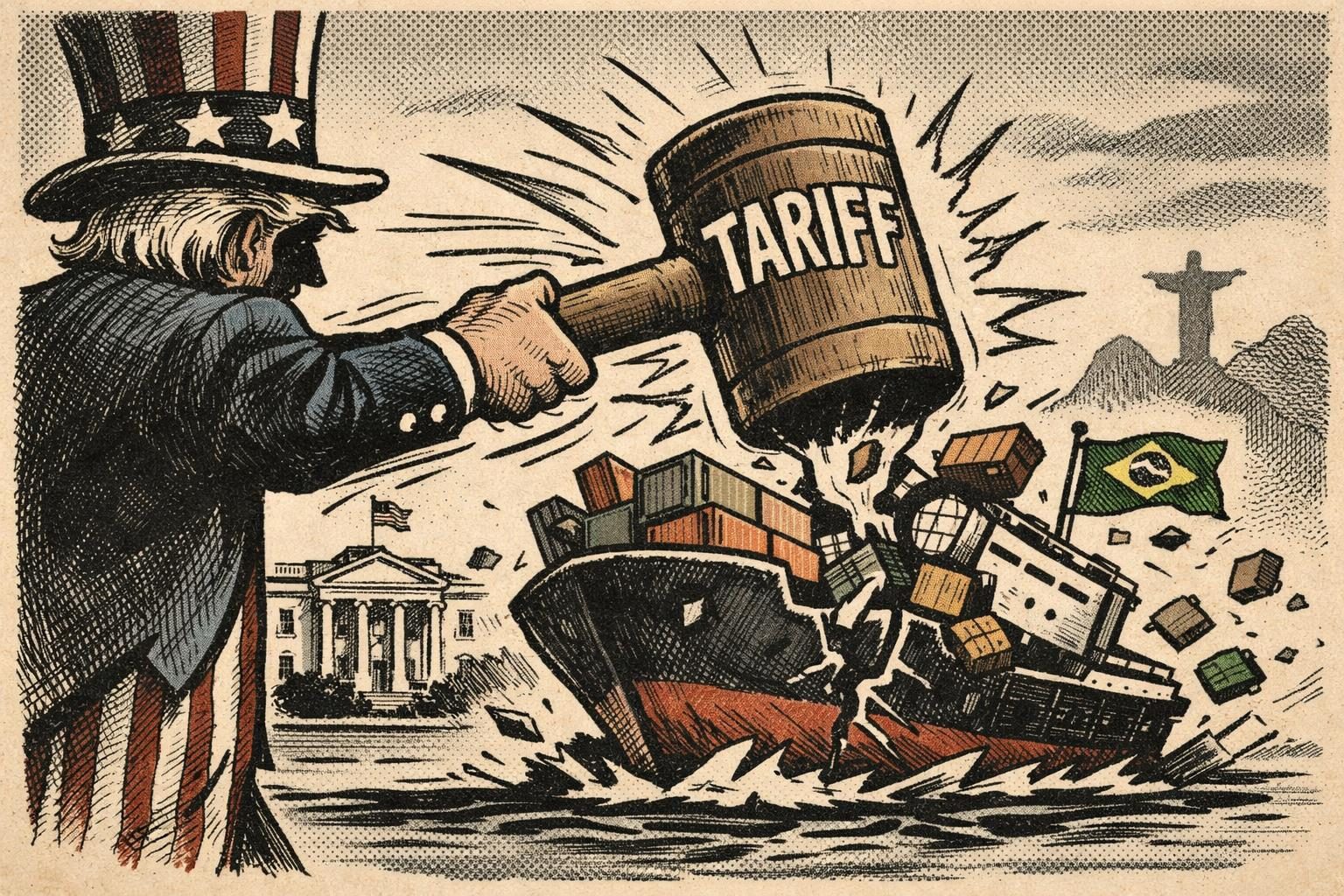
That matters because Section 301 is not just any tariff authority. It is the kind of tool that can be presented as grounded in process, findings, and consultations, which gives the administration a legal and bureaucratic backbone for a politically loaded decision. But the fact that the move is legal does not make it small, and it does not make the consequences neat. A 25 percent tariff is substantial enough to affect purchasing decisions, raise landed costs, and complicate contracts for importers who now have to account for a new layer of uncertainty. Brazilian exporters will have to decide whether to absorb some of the hit, pass it along, or lose market share. U.S. buyers, meanwhile, will be left to sort through the usual tariff fallout: higher prices, tighter margins, and the possibility that a policy meant to pressure another government ends up squeezing domestic firms first. The administration will likely frame the decision as a defense of U.S. interests, but tariffs have a habit of showing up in the economy as arithmetic, not rhetoric.
The political appeal is obvious. Trump has long preferred a show of force to a show of patience, and his trade team has repeatedly used duties as a way to signal toughness without waiting for slower diplomatic processes to work. This Brazil action fits that pattern cleanly. It sends a message to domestic supporters who like the idea of a president willing to hit back hard at trading partners, especially when the White House says it has legal grounds to do so. It also fits an older Trump-era habit of collapsing different frustrations into a single policy response: if there is a grievance, there is a tariff. That may produce some short-term applause and possibly even some eventual negotiation if Brazil decides the cost of standing still is too high. But it also deepens the impression that Washington is increasingly comfortable using trade policy as a general-purpose punishment system. The more often that happens, the harder it becomes for other countries to distinguish a strategic tariff from a reflex.
The risk is that retaliation does not stay hypothetical for long. Even if the full Brazilian response is not yet clear, a move like this invites counterpressure, whether through direct retaliatory measures, complaints in trade forums, or a broader political chill in bilateral relations. That is the problem with wielding tariffs as if they were clean instruments of persuasion. They are not contained statements. They are costs that move through shipping routes, sourcing decisions, inventories, and diplomatic channels. Businesses do not experience them as policy nuance; they experience them as disruption. Governments do not read them as one-off reminders; they read them as precedents. And once the United States starts imposing duties on a major partner in the name of “actionable” practices, the next target looks less exceptional and more inevitable. The White House may believe it is projecting discipline. What it is also projecting is a willingness to turn trade friction into a recurring feature of governance, with every new announcement raising the price of predictability for everyone else.
Comments
Threaded replies, voting, and reports are live. New users still go through screening on their first approved comments.
Log in to comment
No comments yet. Be the first reasonably on-topic person here.