Story · July 25, 2026

USTR imposes forced-labor tariffs on 60 economies at Trump’s direction

Tariff pileup Confidence 5/5
★★★☆☆Fuckup rating 3/5
Major mess Ranked from 1 to 5 stars based on the scale of the screwup and fallout.
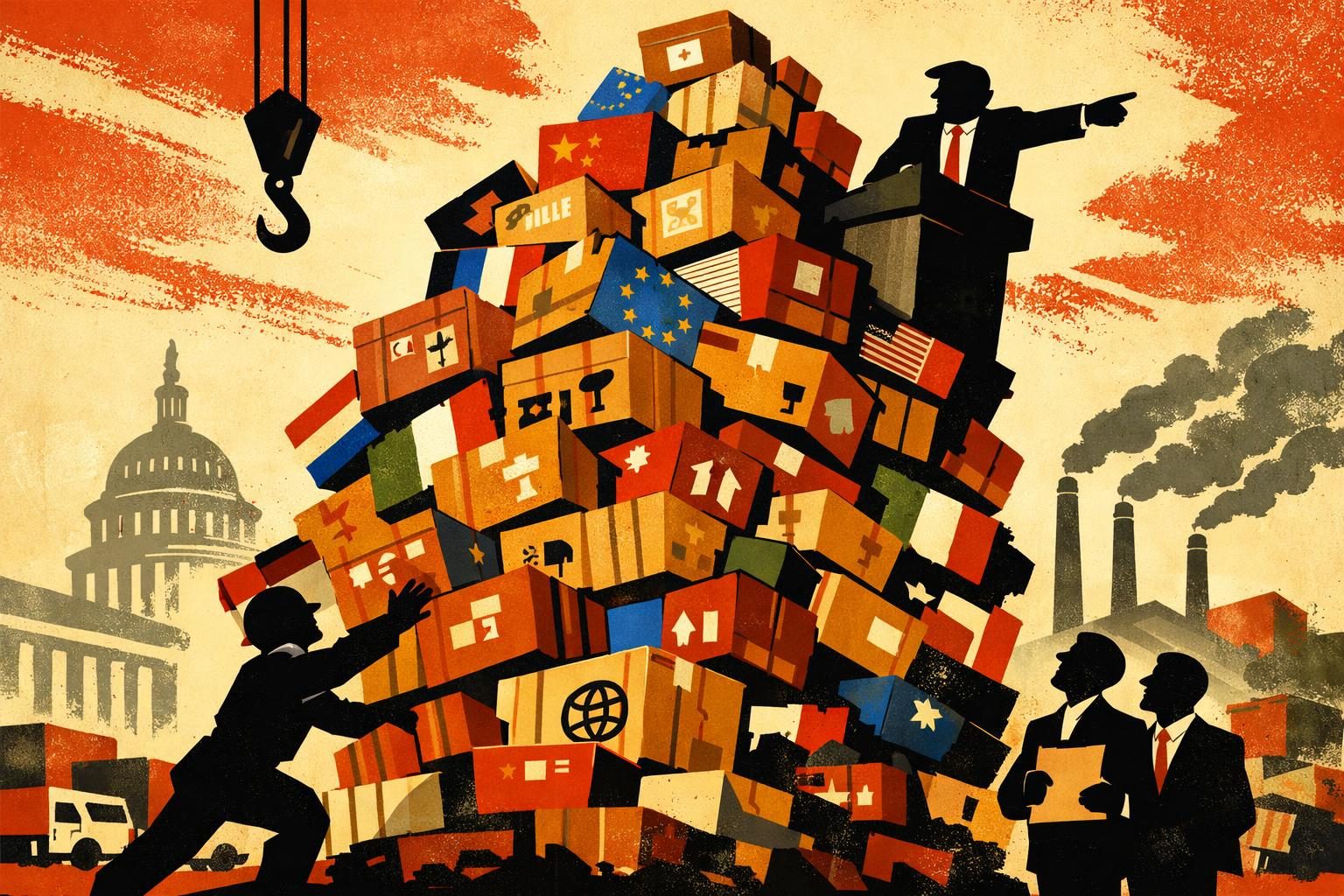
USTR imposes forced-labor tariffs on 60 economies at Trump’s direction reader image
Reader image selected by automatic review and community voting.

U.S. Trade Representative Jamieson Greer on July 23 imposed tariffs on 60 economies under Section 301 of the Trade Act, saying the action responds to failures to prohibit and effectively enforce bans on imports produced with forced labor. The White House said the decision followed investigations launched on March 12, public hearings in April and July, consultations with trading partners, and a record of more than 1,600 written comments. ([ustr.gov](https://www.ustr.gov/about/policy-offices/press-office/press-releases/2026/july/ustr-takes-action-forced-labor-section-301-investigations))

The tariff structure is not one-size-fits-all. USTR said 10% applies to economies that already ban forced-labor imports but do not yet enforce those bans effectively, or that have made binding commitments to do so, or that operate a partial regime that blocks some forced-labor goods. A separate 12.5% rate applies to other covered economies. USTR also said certain products face exemptions, including some raw materials, goods that could disrupt the economy if tariffed, products that cannot be sourced in sufficient quantities in the United States at reasonable prices, and some country-specific product carveouts tied to forced-labor commitments. ([ustr.gov](https://www.ustr.gov/about/policy-offices/press-office/press-releases/2026/july/ustr-takes-action-forced-labor-section-301-investigations))

The action lands in a crowded trade docket. The administration is already using separate tariff and trade tools in disputes involving other countries, and this forced-labor case adds another broad compliance burden for importers trying to sort out what is covered, what is exempt, and what rate applies. But the official record here is more specific than the politics around it: this is a Section 301 forced-labor proceeding with named rates, defined exemptions, and a published list of covered economies. ([ustr.gov](https://www.ustr.gov/about/policy-offices/press-office/press-releases/2026/july/ustr-takes-action-forced-labor-section-301-investigations))

The White House and USTR frame the move as a labor-enforcement measure aimed at supply chains, not just a revenue grab. Whether it changes sourcing behavior quickly will depend on customs enforcement, product-by-product guidance, and how consistently the exemptions are applied. For now, the basic fact is simpler than the rhetoric around it: the United States has put new tariffs on imports from 60 economies because, in the government’s view, their forced-labor bans are missing, incomplete, or not enforced well enough. ([ustr.gov](https://www.ustr.gov/about/policy-offices/press-office/press-releases/2026/july/ustr-takes-action-forced-labor-section-301-investigations))

Support the work

Help keep this site going

If this story was useful, help support The Daily Fuckup. Reader donations help pay for hosting, archives, publishing, email, and AI costs.

Donate

Reader action

What can you do about this?

Call or write your members of Congress and tell them the exact outcome you want. Ask for a written response and refer to the bill, hearing, committee fight, or vote tied to this story.

Timing: Before the next committee hearing or floor vote.

This card only appears on stories where there is a concrete, lawful, worthwhile step a reader can actually take.

Reader images

Upload a relevant meme, screenshot, or photo. Automatic review rejects spam, ads, and unrelated junk. The top-rated approved image becomes the story's main image.

Log in to upload and vote on story images.

USTR imposes forced-labor tariffs on 60 economies at Trump’s direction reader image 1
Score: 95 AI / 0 community
By: mike
Current main image

Comments

Threaded replies, voting, and reports are live. New users still go through screening on their first approved comments.

Log in to comment


No comments yet. Be the first reasonably on-topic person here.