
USTR Finalizes Brazil Tariffs After Yearlong Section 301 Probe
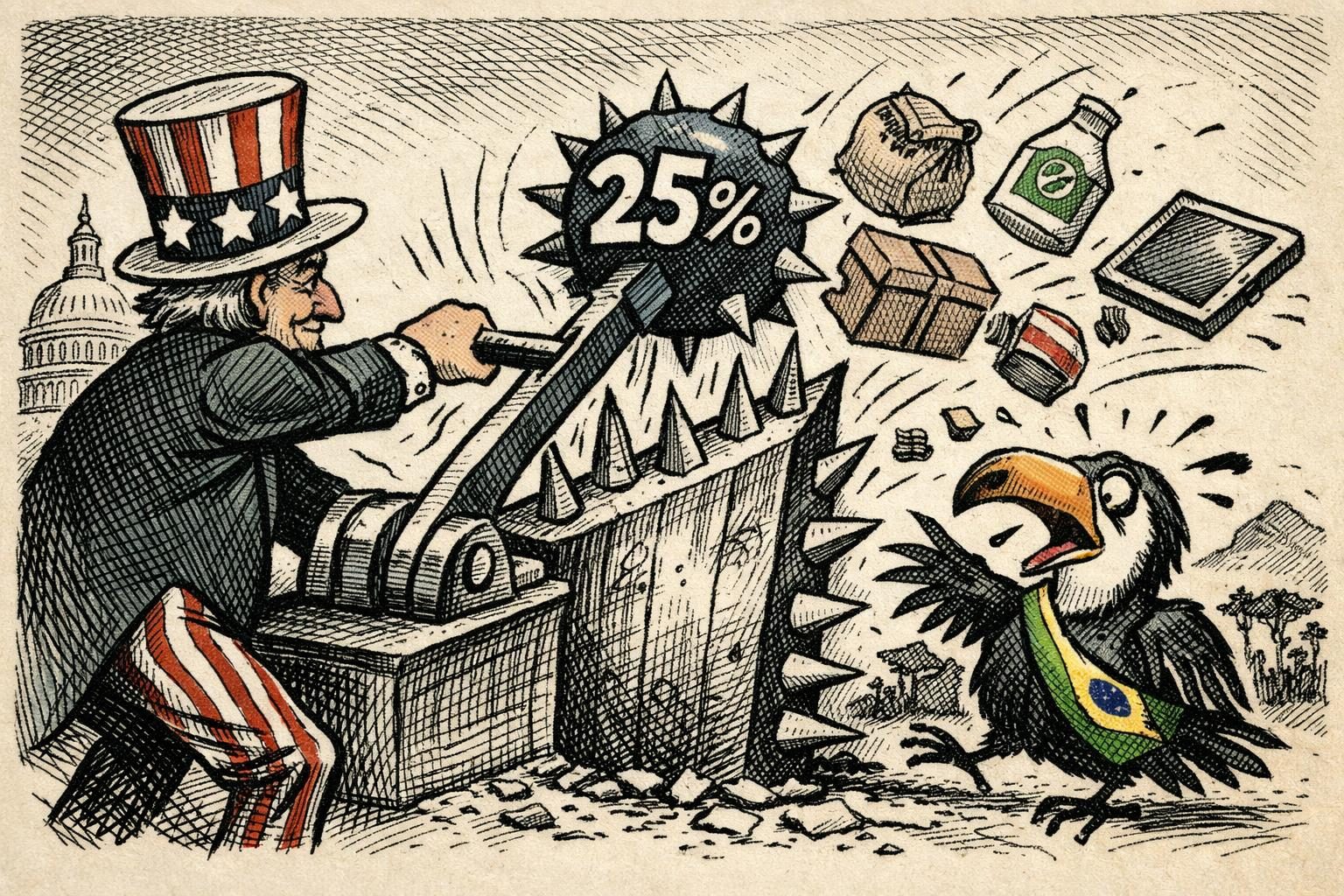
The Office of the U.S. Trade Representative on July 15, 2026, finalized a Section 301 action against Brazil and imposed a 25% tariff on certain goods from the country. The tariff did not take effect that day; USTR said the measure began on July 22, 2026.
USTR said the action followed a yearlong investigation into Brazilian measures tied to digital trade and electronic payment services, unfair preferential tariffs, anti-corruption interference, intellectual property protection, ethanol market access and illegal deforestation. In the agency’s account, those practices were found to be unreasonable and to burden or restrict U.S. commerce. USTR said it had held two public hearings, gathered more than 360 public comments and negotiated with Brazilian officials before moving ahead.
The record shows a long process, not an overnight move. USTR initiated the investigation on July 15, 2025, requested consultations with Brazil the same day, held a public hearing in September 2025, then found actionable conduct on June 1, 2026. After that, the agency proposed responsive action, took more public comment, held another hearing in early July and then issued the final tariff action on July 15.
The tariffs cover only certain Brazilian goods, not all imports from Brazil. That distinction matters because Section 301 actions are targeted by design, even when the economic and political fallout can spread far beyond the listed products. Importers now have to price that added duty into contracts and supply plans, while Brazilian officials decide whether to keep talking or answer with their own measures.
USTR framed the move as a response to practices it says distort competition for American farmers, workers, innovators and exporters. The agency also left the door open to continued negotiations. For businesses on both sides of the trade, though, the immediate fact is simpler: a new tariff is in place, and the clock on any next step is already running.
Comments
Threaded replies, voting, and reports are live. New users still go through screening on their first approved comments.
Log in to comment
No comments yet. Be the first reasonably on-topic person here.