
USTR Announces Forced-Labor Tariffs on 60 Economies, Effective July 24
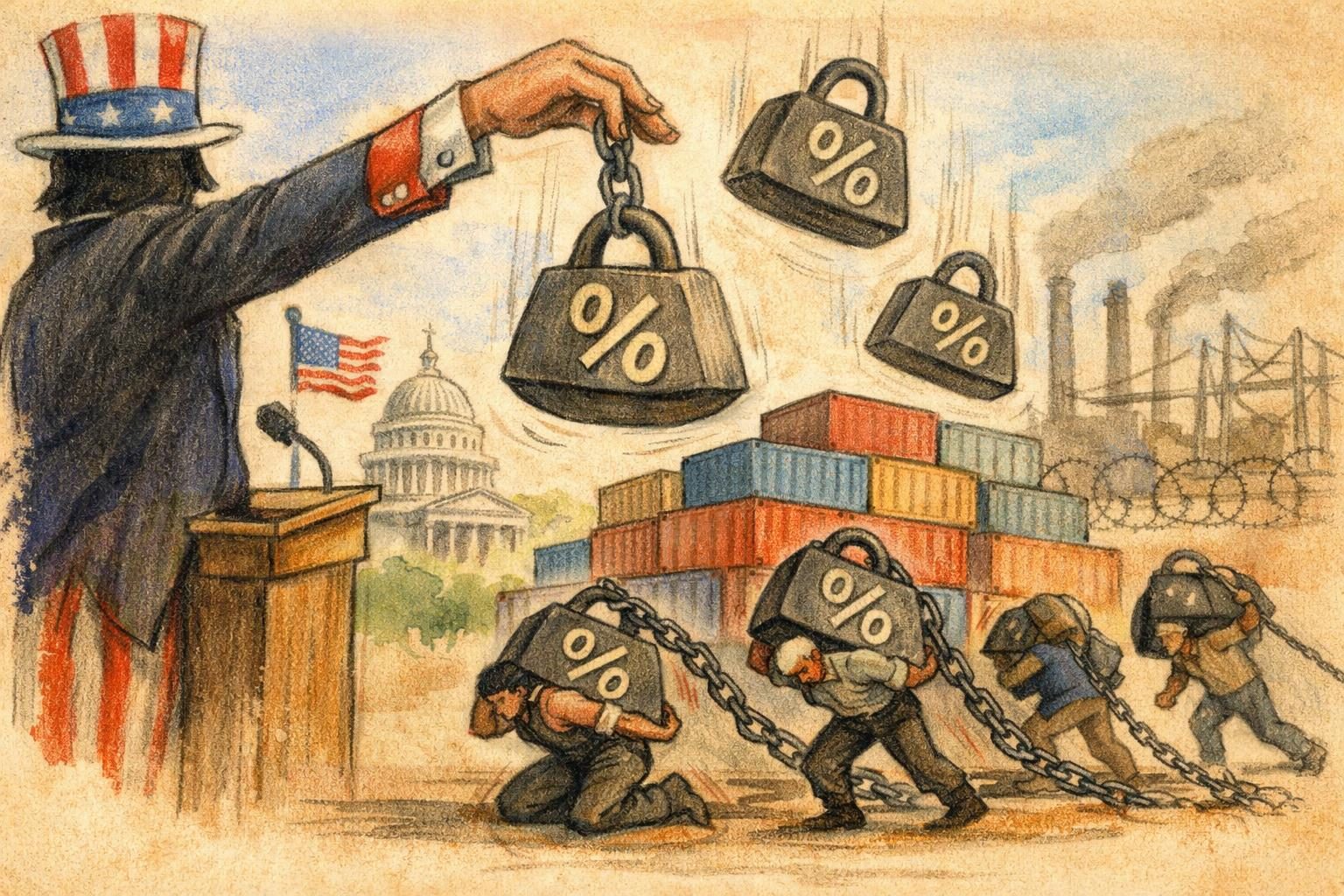
U.S. Trade Representative Jamieson Greer said on July 23 that the administration was moving to impose tariffs on 60 economies under Section 301 of the Trade Act of 1974. The action was tied to USTR’s finding that the economies had failed to impose and effectively enforce a prohibition on imports of goods produced with forced labor. The tariffs were scheduled to take effect July 24. ([ustr.gov](https://www.ustr.gov/about/policy-offices/press-office/press-releases/2026/july/ustr-takes-action-forced-labor-section-301-investigations))
The trade office said the move followed investigations launched on March 12, hearings held in late April, a June 2 finding that the conduct was actionable under Section 301, and a second round of hearings in July on the proposed response. USTR said it reviewed more than 2,100 public comments in the initial phase and more than 1,600 written comments on the proposed action, with over 100 witnesses testifying in July. ([ustr.gov](https://www.ustr.gov/about/policy-offices/press-office/press-releases/2026/july/ustr-takes-action-forced-labor-section-301-investigations))
The White House memorandum sets the tariff structure in three buckets. Bangladesh, Cambodia, Indonesia and Malaysia are subject to a 10 percent rate. Products from the European Union and Taiwan can face a tariff designed so the combined duty and existing MFN rate reaches 10 percent, while products from Japan, Korea and Switzerland can be capped so the combined duty and MFN rate reaches 12.5 percent. All other investigated economies face a 12.5 percent rate. ([whitehouse.gov](https://www.whitehouse.gov/presidential-actions/2026/07/actions-by-the-united-states-in-the-investigations-under-section-301-of-the-trade-act-of-1974-of-the-acts-policies-and-practices-of-60-economies-related-to-the-failure-of-each-economy-to-impose-and/))
The memorandum also carves out exemptions for specific goods, including raw materials that could create domestic shortages, products that could disrupt the economy, goods not available in sufficient quantities or at reasonable prices in the United States, and other products listed in the annex. It separately directs tariff-rate quotas for certain textile and apparel goods from Bangladesh, Cambodia, Indonesia and Malaysia, with those quotas intended to encourage use of U.S. inputs. ([whitehouse.gov](https://www.whitehouse.gov/presidential-actions/2026/07/actions-by-the-united-states-in-the-investigations-under-section-301-of-the-trade-act-of-1974-of-the-acts-policies-and-practices-of-60-economies-related-to-the-failure-of-each-economy-to-impose-and/))
USTR framed the policy as an enforcement push against forced labor in global supply chains, not as a blanket tariff on every product from every covered economy. But the practical effect is still a new rate map across dozens of trading partners, plus a set of exemptions and textile rules importers will have to sort through as the changes go live. ([ustr.gov](https://www.ustr.gov/about/policy-offices/press-office/press-releases/2026/july/ustr-takes-action-forced-labor-section-301-investigations))
Comments
Threaded replies, voting, and reports are live. New users still go through screening on their first approved comments.
Log in to comment
No comments yet. Be the first reasonably on-topic person here.